
Polystichum drepanum
Polystichum drepanum
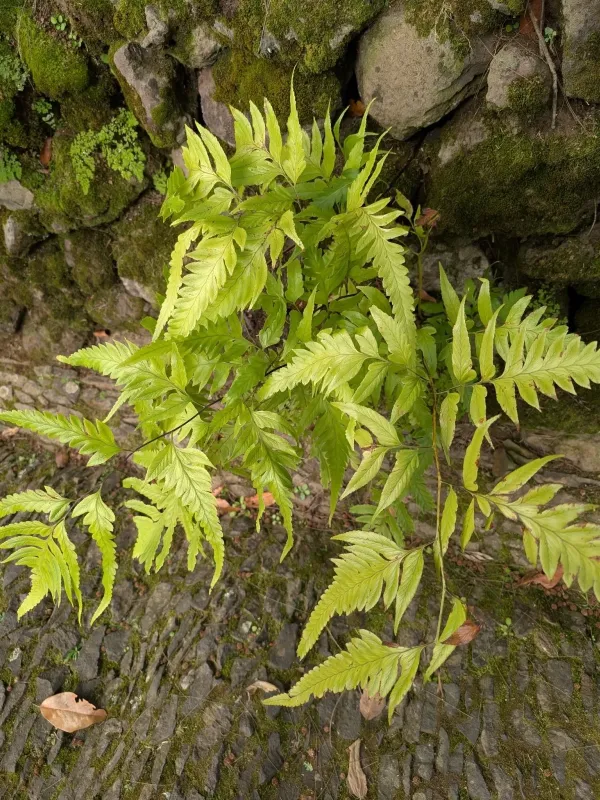
Description
Growing requirements
Polystichum drepanum is a distinctive fern belonging to the Dryopteridaceae family. It is recognized as an endemic species native to the high-humidity forests of Madeira.
This fern thrives in cool, damp environments with a constant supply of moisture in both the air and the growing medium, typical of its native tropical or subtropical forest canopy.
Cultivation requires a well-draining soil mix that remains moist but never waterlogged. Incorporating organic matter such as peat or leaf mold is essential for successful growth.
The plant strictly requires shade or dappled light conditions. In a controlled greenhouse or indoor setting, it is critical to protect the fronds from intense direct light to prevent scorching.
Climate control is paramount. The plant is sensitive to thermal stress and thrives best when temperatures are kept stable, avoiding both extreme heat and freezing temperatures.
Main diseases and pests
Common indoor pests such as spider mites and scale insects are the primary threats, particularly in environments where humidity levels fluctuate significantly.
Root rot, driven by stagnant water and poor drainage, remains the most frequent cause of plant decline. It is essential to ensure the root system has access to oxygen at all times.
Fungal leaf spots can occur when the foliage stays wet for too long without adequate airflow, emphasizing the importance of proper spacing between individual plants.
Biological control agents are often preferred over chemical pesticides, as ferns are known to be sensitive to various synthetic compounds used in conventional agriculture.
Regular sanitation, including the removal of dead or decaying fronds, is necessary to prevent the buildup of pathogens that could lead to systemic infection of the specimen.