
Polystichum craspedosorum
Polystichum craspedosorum
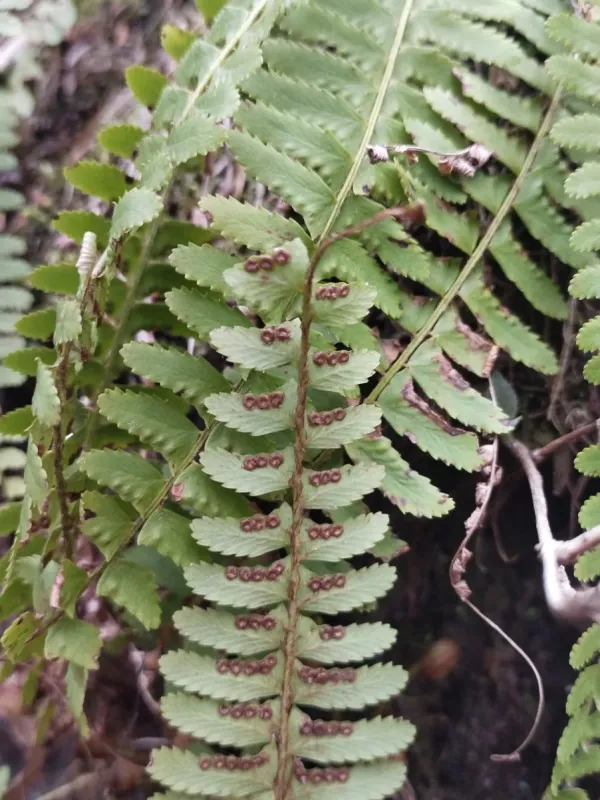
Description
Growing requirements
Polystichum craspedosorum is a perennial ornamental fern belonging to the Dryopteridaceae family. Native to the mountain forests and rocky habitats of East Asia, including Japan and Korea, this species is highly valued for its unique growth habit and elegant appearance.
The plant requires specific environmental conditions to thrive, primarily preferring shade or dappled sunlight. Exposure to intense, direct sun can cause scorch on the foliage, therefore proper placement in a shaded garden border or a woodland area is essential for its survival.
Soil requirements involve a well-draining, humus-rich medium that retains moisture without becoming waterlogged. The species performs best in slightly acidic to neutral soil conditions. Adding organic mulch helps maintain consistent soil moisture and protects the roots from extreme temperature fluctuations.
Botanically, this fern is known for its ability to produce adventitious plantlets on the tips of its fronds. When these tips touch moist soil, they naturally root, allowing the plant to propagate itself vegetatively, which is a key characteristic of its growth strategy.
In ornamental horticulture, Polystichum craspedosorum is used to enhance shaded spaces. It serves as an excellent ground cover or an accent plant in rock gardens and fern collections, providing a lush, green aesthetic throughout the growing season due to its consistent foliage development.
Main diseases and pests
The primary threats to this fern are fungal pathogens, such as crown rot and leaf spots, which typically occur under conditions of poor drainage or high humidity with stagnant air. Maintaining good cultural practices, such as adequate spacing and proper soil aeration, is the best prevention.
Common pests include slugs and snails, which can disfigure the fronds during wet weather. Additionally, in indoor or greenhouse settings, spider mites may become an issue if the ambient humidity drops significantly, requiring constant monitoring and corrective irrigation.