
Christmas fern
Polystichum acrostichoides
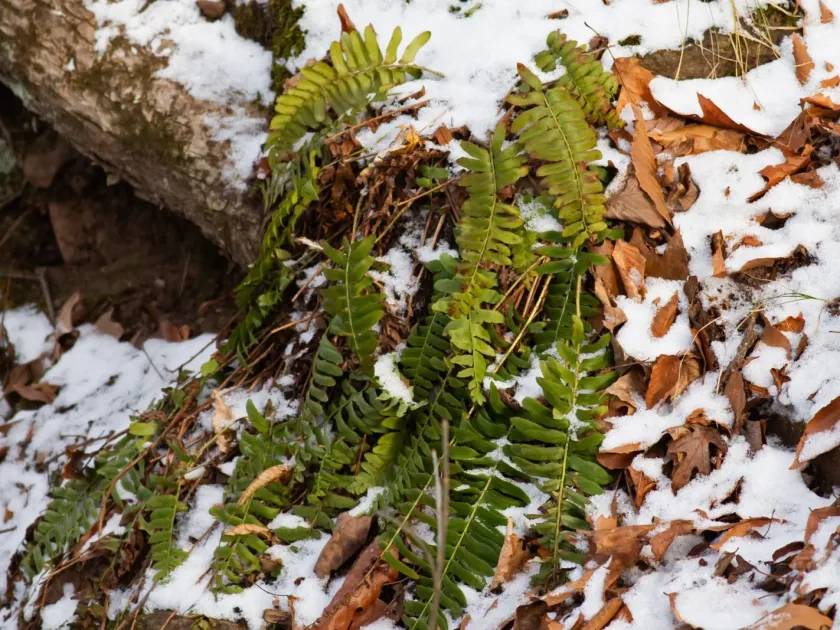
Description
Growing requirements
The Christmas fern, known as Polystichum acrostichoides, is a hardy perennial belonging to the Dryopteridaceae family. It is native to North America and is a staple in temperate woodland gardens.
This fern thrives in shaded or semi-shaded environments. It prefers well-draining, slightly acidic soil that is rich in organic matter, mimicking its natural forest floor habitat.
As a semi-evergreen species, it maintains its lush foliage through winter in warmer climates. The plant is remarkably drought-tolerant once established but performs best when provided with consistent moisture.
Cultural practices include the application of leaf mulch in late autumn, which protects the crowns during winter and adds essential nutrients as the organic matter breaks down.
Due to its aesthetic appeal and low maintenance, the Christmas fern is extensively used in landscape projects for erosion control on slopes and as a structural element in perennial borders.
Main diseases and pests
The Christmas fern is generally robust, but it can be susceptible to foliar diseases such as leaf spots if kept in conditions with poor air circulation or excessive humidity.
Slugs and snails are the most common pests, particularly during the wet spring months when they feed on the developing fronds. Integrated pest management techniques are recommended to keep damage to a minimum.
Root rot is a significant threat caused by poorly drained soils. Ensuring the site is well-drained is the most effective way to prevent this common physiological issue.
Scale insects can occasionally infest the fronds, usually in sheltered environments. Early identification and manual removal or horticultural soap applications are usually effective.
Sanitation is key to preventing disease outbreaks. Always remove dead fronds at the end of the season to reduce the risk of harboring pathogens over the winter months.