
Polystichum biaristatum
Polystichum biaristatum
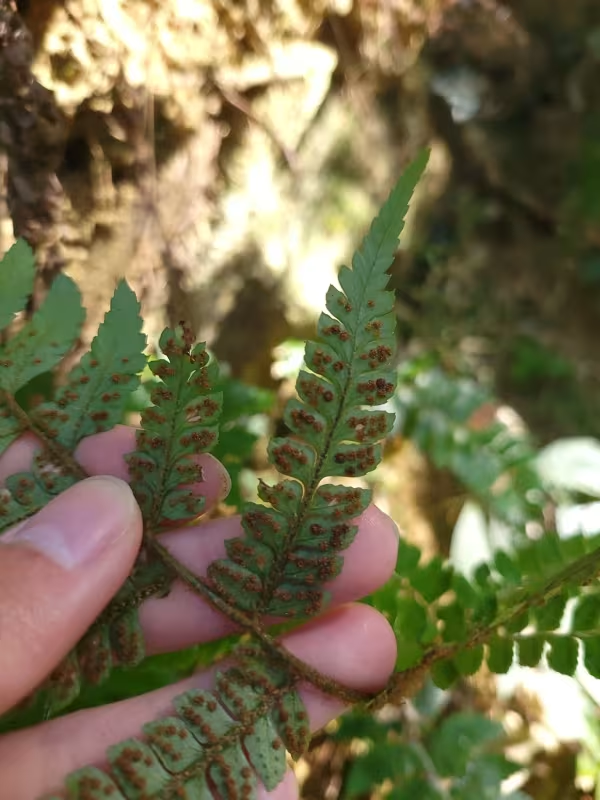
Description
Growing requirements
Polystichum biaristatum is a perennial evergreen fern belonging to the Dryopteridaceae family. Native to East Asian forests, particularly in regions of Japan and China, it thrives in rich, cool, and moist woodland habitats, making it a reliable choice for shaded garden areas.
The plant features lush, leathery, dark green fronds that grow in an elegant, symmetrical rosette. It typically reaches a mature height of 50 to 70 centimeters. Its evergreen nature makes it a highly desirable candidate for year-round landscape aesthetics in temperate climates.
Successful cultivation requires a location with partial to full shade. Direct exposure to intense sunlight should be strictly avoided, as it causes leaf scorching and severe dehydration. The plant prefers sites sheltered from strong, drying winds to maintain humidity around the foliage.
Regarding soil conditions, this fern demands a well-drained but consistently moist medium. An ideal planting mix includes abundant leaf mold, compost, and coarse sand or grit to ensure proper drainage while retaining essential soil moisture for the root system.
Regular maintenance involves keeping the soil mulched with organic material, such as pine needles or shredded bark, which mimics the natural forest floor and helps stabilize soil temperature throughout the seasons.
Main diseases and pests
Slugs and snails are the most prominent pests, particularly targeting the tender new crosiers in the spring. Implementing physical barriers or using environmentally friendly bait can help protect the young fronds during their most vulnerable growth stage.
Crown rot and root rot are significant concerns when the drainage is inadequate. If the soil remains waterlogged for prolonged periods, the plant’s health declines rapidly; therefore, selecting a site with excellent natural drainage is paramount.
Fungal leaf spots can occasionally develop during periods of high humidity and poor air circulation. To minimize this, ensure adequate spacing between plants and avoid overhead watering that keeps the foliage excessively wet for extended periods.
While generally hardy, the fern can occasionally be infested by scale insects or spider mites, especially if grown in environments that are too dry. Frequent monitoring and gentle washing of the fronds can mitigate these minor issues effectively.
The primary use of Polystichum biaristatum is ornamental landscaping. It is widely prized for its durability in shade gardens, where it acts as a structural element in woodland-style designs, rockeries, or near naturalistic water features.