
Mother shield fern
Polystichum proliferum
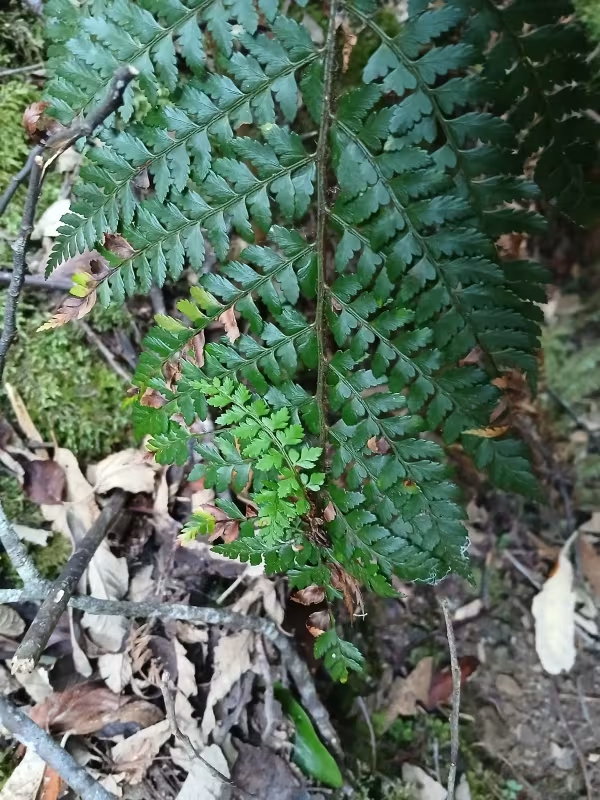
Description
Growing requirements
The mother shield fern belongs to the Dryopteridaceae family. It is a perennial evergreen fern native to the temperate forests of Australia, commonly found in the understory of shaded, humid habitats.
This species thrives in partial to full shade, avoiding direct exposure to the sun which causes leaf scorch. High ambient humidity is essential for maintaining its lush appearance, making it an ideal candidate for forest-themed landscapes and indoor conservatories.
The soil must be well-drained but consistently moist, rich in organic matter like leaf mold or peat. A slightly acidic pH is preferred, mirroring the chemical composition of the forest floor, which promotes strong root development and nutrient uptake.
Regarding climate, it prefers mild, temperate conditions. While it can handle light frost, prolonged freezing temperatures require protection or relocation to a controlled environment, making it a popular choice for protected garden zones.
A unique botanical feature of this fern is the production of plantlets on its fronds. These small clones allow the plant to spread effectively under suitable conditions, providing a high decorative value for landscaping projects.
Main diseases and pests
Root rot is the most common threat, usually triggered by waterlogged soil conditions. Proper irrigation management is vital, ensuring the soil remains moist without turning into a stagnant swamp that encourages fungal growth.
Spider mites represent a significant pest risk, especially in drier environments or indoor conditions where air circulation is limited. Regular misting and monitoring are recommended to keep mite populations under control.
Scale insects can occasionally infest the fronds, hiding along the rachis or on the underside of leaves. Manual removal or specific horticultural oils can manage these outbreaks effectively without damaging the plant.
Fungal leaf spot infections occur when humidity is too high and air movement is insufficient. Providing space between plants and avoiding water accumulation on foliage can significantly mitigate these risks during the growing season.
Slugs and snails are potential threats during early growth stages. Gardeners often use non-toxic barriers or organic traps to protect tender new growth from being consumed during wet spring and summer nights.