
Tassel fern
Polystichum polyblepharum
Description
Growing requirements
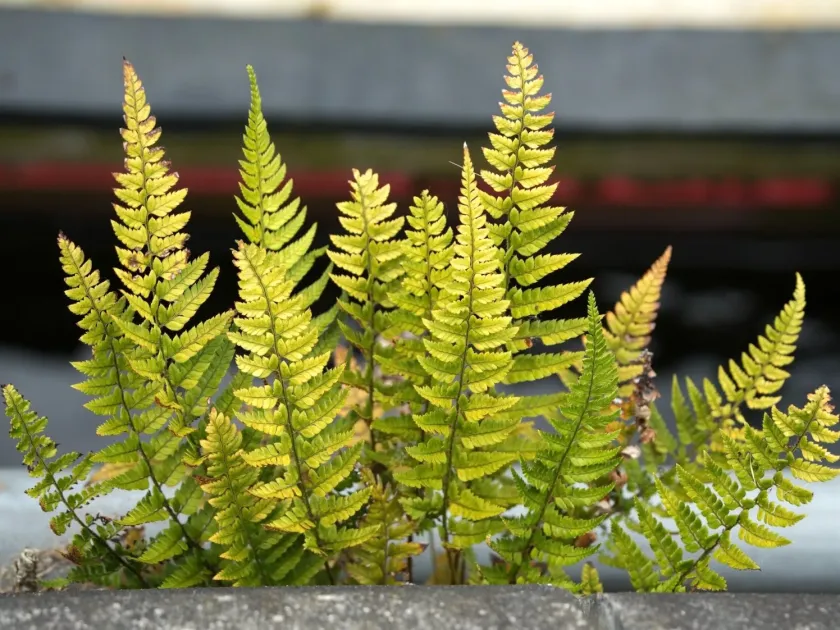
Tassel fern (Polystichum polyblepharum) is a perennial herbaceous plant belonging to the Dryopteridaceae family. It is widely cultivated for its glossy, dark green fronds which possess a unique arching habit, adding textural interest to woodland gardens.
Native to Japan, Korea, and parts of the Russian Far East, this species thrives in temperate climates. It prefers shaded environments where protection from harsh afternoon sun prevents leaf scorch and maintains the intense color of the foliage.
Soil conditions are critical for the health of Tassel fern; it requires well-drained, humus-rich soil that mimics a forest floor. It prefers a slightly acidic to neutral pH and cannot tolerate waterlogged conditions, which lead to root suffocation.
Cultural practices include consistent moisture management, particularly during the growing season. While the fern is relatively drought-tolerant once established, supplemental irrigation during dry spells is recommended to maintain optimal frond development.
Mulching with organic matter, such as leaf mold or compost, is highly beneficial. This practice provides nutrients, regulates soil temperature, and helps maintain the high humidity levels that this fern requires to flourish.
Main diseases and pests
The primary threats to Tassel fern are fungal infections, particularly root rot, which typically occur in poorly drained substrates or under conditions of excessive overhead watering. These pathogens can cause significant decline in foliage health.
Slugs and snails are the most common pests, often causing unsightly damage to tender young fronds as they unfurl in the spring. Implementing integrated pest management, such as baiting or physical barriers, is recommended for heavy infestations.
Aphids and scale insects can sometimes infest plants grown in greenhouse conditions or those with poor ventilation. Regular inspection of the undersides of fronds allows for early detection and mitigation of these pests.
Management of these threats involves careful attention to plant spacing and sanitation. Removing debris from around the base of the plant reduces the overwintering sites for insects and suppresses the spread of fungal spores.
In cases of severe infestation, targeted applications of organic insecticides or fungicides may be necessary. Always ensure that the chosen treatment is appropriate for ferns, as they can be sensitive to certain chemical formulations.