
New Zealand shield fern
Polystichum neozelandicum
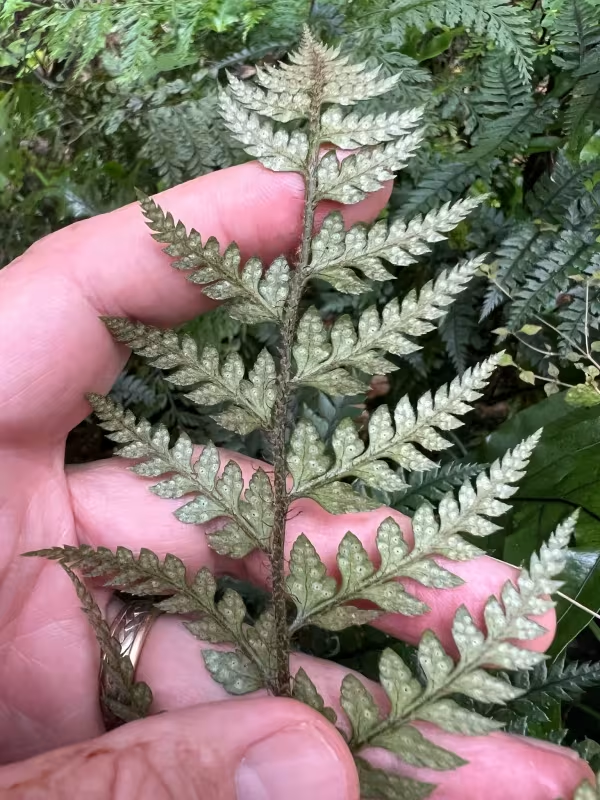
Description
Growing requirements
The New Zealand shield fern (Polystichum neozelandicum) is a distinctive member of the Dryopteridaceae family. Originating from the temperate forests of New Zealand, this species thrives in environments characterized by high humidity and filtered natural light.
This fern is defined by its robust, leathery fronds arranged in elegant, symmetrical rosettes. Its architectural form makes it a highly sought-after plant for woodland gardens and shaded border landscapes, where it adds a touch of classic botanical beauty.
Successful cultivation requires soil that is rich in organic matter and maintains consistent moisture without becoming waterlogged. The pH level should ideally be slightly acidic, as this mirrors the plant's natural woodland habitat where decaying leaf litter is abundant.
In terms of light exposure, the species is strictly a shade-loving plant. Direct sunlight will scorch the fronds and lead to rapid dehydration, so strategic placement under canopy trees or on the shaded side of garden structures is essential for its health.
Regarding agricultural maintenance, regular monitoring of humidity is key. During dry spells, supplemental irrigation is necessary. Applying a layer of organic mulch around the base of the plant helps retain soil moisture and insulates the roots against drastic temperature fluctuations.
Main diseases and pests
Common health issues in Polystichum neozelandicum usually involve fungal pathogens, such as crown rot, which often stem from poor drainage or excessive stagnant water around the root base. Maintaining good air circulation is the best preventative measure.
Garden pests like slugs and snails are the primary concern, as they feed on the tender emerging fronds. In some environments, sap-sucking insects may also affect plant vigor, necessitating periodic inspections and, if needed, the use of environmentally friendly control methods.