
Western sword fern
Polystichum munitum
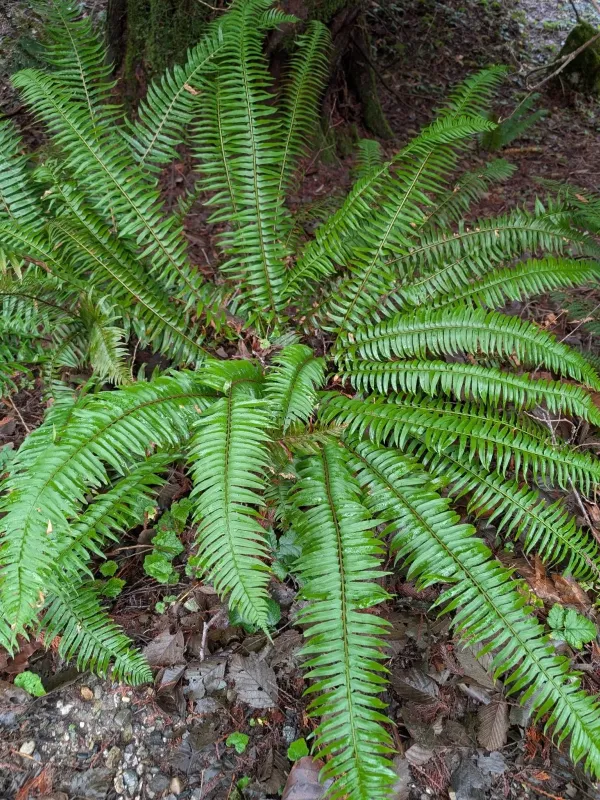
Description
Sowing dates
The Western sword fern is a hardy, evergreen perennial belonging to the Dryopteridaceae family. Propagation is best achieved through division of established clumps in early spring, just before the new fronds begin to unfurl.
Growing from spores is also possible but requires specialized laboratory-like conditions, including high humidity and sterile substrate. This method is generally reserved for propagation enthusiasts or commercial nurseries aiming for mass production.
When planting, ensure a spacing of at least 18 to 24 inches between individual plants. This spacing allows for proper air circulation, which is crucial for maintaining the health of the fern's evergreen foliage throughout the year.
The planting hole should be enriched with ample organic matter such as compost or well-rotted leaf mold. This provides the necessary nutrients and helps mimic the fern's natural woodland habitat conditions.
Immediately after planting, the root zone should be watered thoroughly and mulched. This keeps the soil temperature stable and retains the moisture that is essential for the fern's establishment in a new location.
Growing requirements
This species thrives in partial to full shade. While it can tolerate some morning sun in cool climates, intense afternoon light will scorch the fronds and degrade the plant's overall aesthetic quality.
Soil conditions are critical for success; the fern prefers moist, well-draining, and humus-rich soil. It is well-adapted to the organic layer of forest floors and prefers neutral to slightly acidic pH levels.
Regular moisture is necessary, particularly during the first growing season. While established plants show some drought tolerance, consistent watering is recommended to keep the fronds lush and vibrant throughout the summer.
In terms of climate, it is hardy and capable of surviving temperatures down to approximately -20°C. In colder zones, protecting the crown with a layer of mulch helps safeguard the plant from extreme winter frost.
Avoid placing this plant in areas with heavy foot traffic, as the fronds are susceptible to mechanical damage. Placing them in sheltered beds under tree canopies provides the best environmental protection.
Main diseases and pests
Slugs and snails are the primary threats to the Western sword fern, particularly during the wet spring months when new growth is tender. Physical barriers or organic baits can effectively manage these pests.
Root rot is a major risk, often resulting from poorly draining soil or excessive water retention. Symptoms include wilting and yellowing fronds, and in severe cases, the entire crown may collapse.
Fungal diseases like rust can occasionally occur, usually facilitated by poor air circulation and high humidity. It is best to prune away any severely affected fronds and improve ventilation around the plant.
Insects such as aphids or scale may occasionally appear, especially if the plant is stressed by drought. These can usually be managed with gentle horticultural soaps or by manually removing the affected foliage.
Preventative care is the most effective strategy. By ensuring proper soil drainage, avoiding overcrowding, and maintaining site hygiene, gardeners can keep their sword ferns healthy and free from major infestations.