
Polystichum luctuosum
Polystichum luctuosum
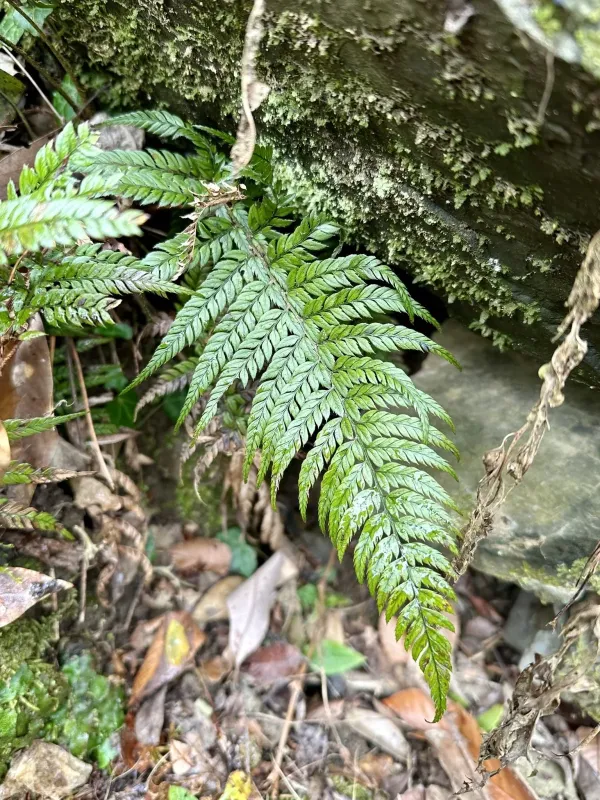
Description
Growing requirements
Polystichum luctuosum is a distinguished member of the Dryopteridaceae family, native to the forest habitats of East Asia. It is highly valued in horticulture for its dense habit and remarkably dark, glossy foliage that adds architectural interest to any woodland garden.
The plant exhibits a slow growth rate, producing stiff, pinnate fronds. As it matures, the foliage takes on a deep green hue that persists throughout the seasons, classifying it as an evergreen or semi-evergreen perennial depending on the local climate and temperature exposure.
Optimal cultivation requires shaded environments with filtered light. Direct sunlight is detrimental to the plant, often causing leaf scorching and bleaching. Maintaining a high level of atmospheric humidity is essential, especially during the peak growing season in late spring and summer.
For best results, the substrate should be nutrient-rich, humus-heavy, and consistently moist but well-drained. Incorporating organic matter such as leaf mold or pine bark helps sustain the slightly acidic pH levels that this species prefers for healthy root development.
While the species is relatively hardy, it appreciates protection from severe winter winds. Applying a layer of organic mulch around the base of the plant in late autumn serves both to insulate the crown and to gradually improve soil structure through decomposition.
Main diseases and pests
The primary threats to Polystichum luctuosum are fungal pathogens such as Botrytis or root rot, which typically occur in poorly drained soils. Providing sufficient spacing between plants to ensure good airflow is a critical preventative measure in any commercial nursery setup.
Pest issues are generally minimal but can include gastropods like slugs and snails, which target fresh, emerging fronds. In glasshouse cultivation, monitor for aphids or spider mites, employing integrated pest management techniques to maintain plant vigor without excessive chemical intervention.