
Scaly-stemmed holly fern
Polystichum lepidocaulon
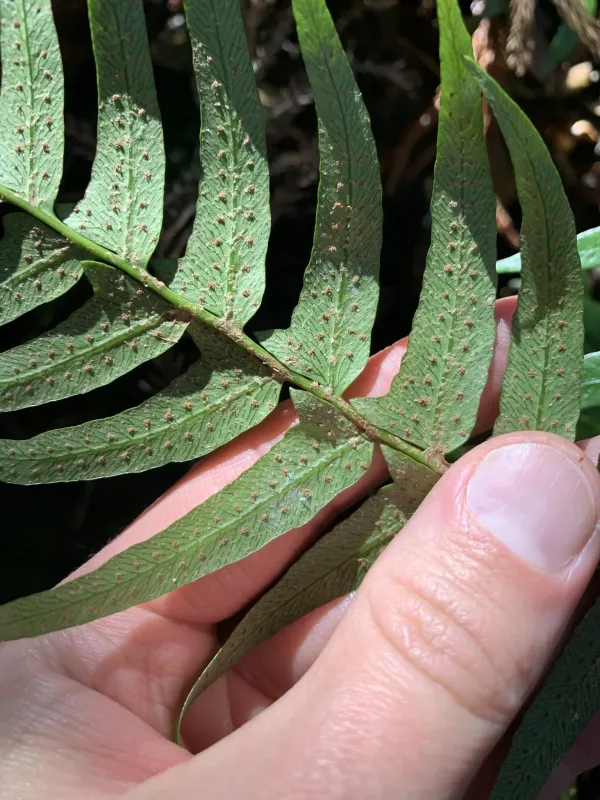
Description
Growing requirements
The scaly-stemmed holly fern (Polystichum lepidocaulon) is a perennial evergreen species belonging to the Dryopteridaceae family. Native to East Asian forests, this fern is highly valued for its unique morphology and structural beauty in shaded landscapes.
Botanically, it is defined by its tough, leathery fronds decorated with distinct scales on the rachis. The plant grows in a rosette formation, with fronds reaching a moderate height, making it an excellent candidate for architectural planting in woodland-style gardens.
Requirements for successful cultivation include well-draining, humus-rich soil. While the fern appreciates consistent moisture, it is crucial to ensure that the root system is never waterlogged, as this is the primary cause of decline in this species.
In terms of light, this fern thrives in partial to deep shade. Excessive exposure to direct sunlight will cause the fronds to bleach or burn, while complete darkness may lead to elongated, weak growth. Finding a balance is key for optimal leaf development and color intensity.
In landscaping, this fern is primarily used for its aesthetic value in shaded areas. Its cold hardiness makes it a reliable choice for gardens in temperate zones, where it adds year-round greenery and texture to spots that are otherwise difficult to fill with flowering plants.
Main diseases and pests
The primary concern for this fern is root rot caused by poor soil drainage. Growers should monitor soil moisture levels closely, especially during dormant winter months, to prevent the rhizome from decaying under excessive dampness.
Pests such as slugs and snails are common threats, particularly in moist and cool environments. Implementing integrated pest management strategies, such as physical barriers or environmentally friendly baits, is essential to protect the integrity of the delicate fronds.
In indoor or greenhouse settings, spider mites can pose a problem during dry spells. Keeping the humidity high through misting or using a pebble tray can help prevent these pests from establishing colonies on the underside of the fronds.
Fungal leaf spot diseases may appear if the foliage remains wet for extended periods. To mitigate this risk, it is recommended to water the plant at the base and ensure proper air circulation around the crown, which discourages pathogen development.
Nutrient deficiency, specifically related to trace elements, can result in pale or stunted fronds. Applying a balanced, slow-release organic fertilizer at the start of the growing season will ensure the plant has the necessary resources for healthy foliage production.