
Polystichum hybrids
Polystichum hybrids
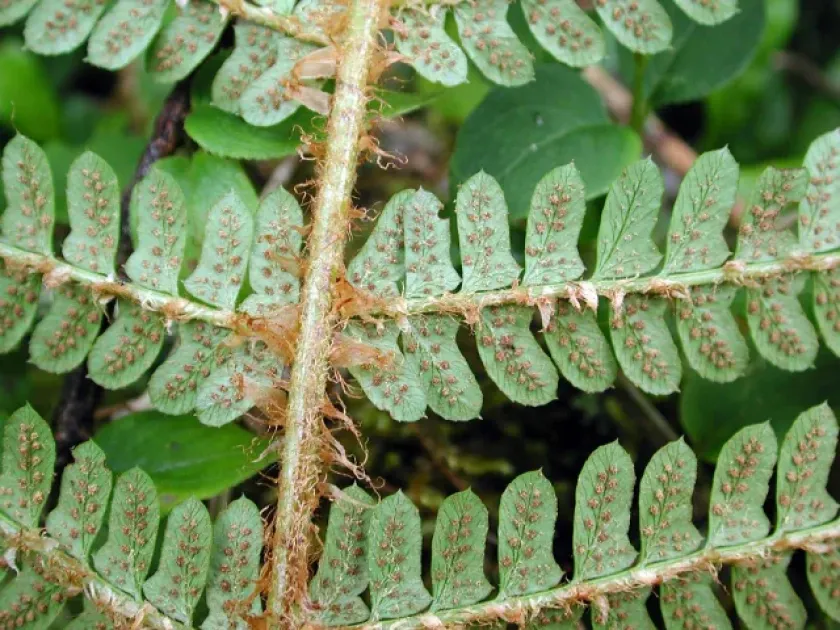
Description
Growing requirements
Polystichum hybrids belong to the Dryopteridaceae family and are highly valued for their structural beauty and evergreen foliage. These ferns are widely used in temperate gardens for providing texture and a lush green aesthetic to shaded areas.
The ideal environment for these plants is a sheltered location with partial to full shade. Exposure to direct sun should be avoided, as it often leads to leaf scorch and dehydration, significantly reducing the decorative potential of the plant.
Soils should be rich in organic matter, slightly acidic, and provide excellent drainage. Incorporating compost or leaf mold into the soil helps mimic the natural forest floor conditions that these ferns prefer for vigorous growth.
Regarding climate, Polystichum hybrids thrive in regions with stable moisture levels and moderate temperatures. While they are generally hardy, mulching in late autumn is advisable to protect the rhizomes during periods of deep soil freezing.
Cultural maintenance involves keeping the soil consistently moist but never waterlogged. During dry spells, supplemental irrigation is necessary to ensure the plant does not lose its vitality or show stunted leaf development.
Main diseases and pests
Slugs and snails are the most common pests, frequently targeting emerging croziers in the spring. Implementing traps or barrier methods is an effective way to manage these populations without relying on harsh chemicals.
Root rot is a major threat, usually triggered by waterlogged soil conditions. Ensuring the planting site has a proper drainage layer can prevent the fungal pathogens responsible for the decay of the root system.
Foliar diseases, such as leaf spots, may occur if air circulation is insufficient. To mitigate this risk, it is important to provide enough space between plants when designing the landscape and to avoid overhead watering.
Nematode infestation can occasionally affect the plant, showing as deformed or thickened fronds. Affected plants should be immediately removed and destroyed to prevent the spread of the pest through the garden soil.
Regular sanitation, which includes removing dead or diseased fronds, is essential for maintaining plant health. This practice significantly reduces the source of fungal inoculum and promotes fresh, vigorous growth in the upcoming season.