
Polypogon subspathaceus
Polypogon subspathaceus
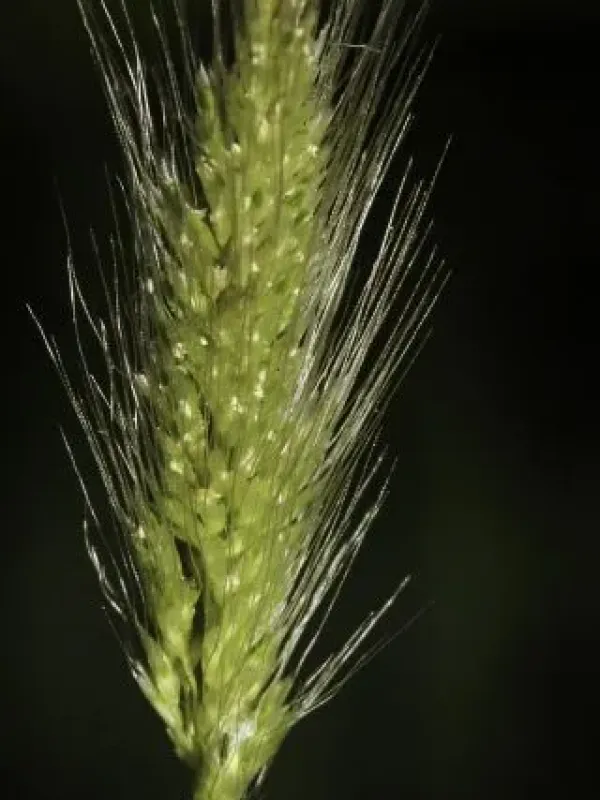
Description
Sowing dates
Polypogon subspathaceus is a member of the Poaceae family, naturally found in marshy areas and near water bodies. This grass is known for its ability to thrive in environments where other crops fail due to excessive moisture.
The sowing process is typically carried out in early spring to take advantage of the moisture stored in the soil. Seeds are broadcasted on prepared seedbeds and require very shallow soil coverage to ensure proper germination.
Due to the small size of the seeds, they should not be buried deeper than 1-2 centimeters. Compacting the soil after seeding is recommended to ensure strong contact between the seeds and the damp earth, promoting faster emergence.
Under optimal conditions, seedlings appear within two weeks. The plant spends most of its first year focusing on establishing a dense root system and building its initial vegetative base.
The species has an excellent capacity for natural reseeding, which reduces the need for frequent replanting in permanent pastures or restored wetland areas.
Growing requirements
Polypogon subspathaceus requires constant access to moisture to maintain peak productivity. It is perfectly adapted to low-lying areas, riverbanks, and reclaimed wetlands where water tables are high.
Soil tolerance is a key advantage of this plant. It adapts well to acidic and saline soils, making it an excellent candidate for ecological restoration of degraded lands that are unsuitable for traditional cereals.
While it prefers full sun, the plant can tolerate partial shade. For best results, nitrogen fertilizers should be applied during the early growth stages to stimulate biomass accumulation.
Moderate temperatures ranging from 15 to 25 degrees Celsius are ideal for vegetative growth. The plant demonstrates good resilience against seasonal temperature fluctuations.
Proper drainage is helpful but not strictly required, as the species is essentially a hygrophyte that thrives in conditions that would cause root rot in other forage grasses.
Main diseases and pests
Rust fungi are the most common diseases affecting this species, especially in areas with stagnant air and high humidity. Improving airflow is the best preventative strategy.
Powdery mildew may occur during seasons with wide temperature swings between day and night. Fungicide applications are reserved for severe outbreaks to ensure the quality of the forage.
Pests such as grass aphids and stem-boring flies can cause damage to the foliage and stems. Regular scouting during the tillering phase helps identify and manage these populations.
Soil-dwelling larvae can damage roots if the field preparation is inadequate. Incorporating clean cultivation practices prior to planting is crucial for protecting the young crop.
Maintaining a healthy, vibrant plant population is the primary defense, as well-nourished plants show higher resistance to common grass pathogens.
Harvesting
Harvesting for hay is most effective during the heading stage, when nutritional value is at its peak. Delaying harvest leads to increased lignification, which reduces palatability for livestock.
When used for grazing, rotational strategies should be employed to prevent excessive trampling of the soil, especially in damp conditions which can lead to turf damage.
Seed production harvesting is done when the spikes turn yellow. The harvest requires immediate drying due to the high moisture levels typically found in the habitats of this species.
After cleaning and grading the seeds, they should be stored in dry, cool conditions to preserve their viability for subsequent planting seasons.
Strategic management of harvest intervals allows for two to three cuts per year, depending on the availability of nutrients and water throughout the growing season.