
Southern beardgrass
Polypogon australis
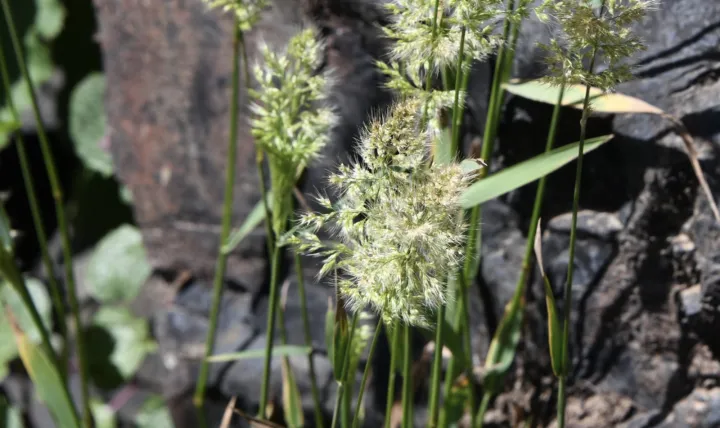
Description
Growing requirements
Southern beardgrass (Polypogon australis) belongs to the Poaceae family. It is a perennial herbaceous plant typically found in damp, low-lying environments and marshy areas, showing a strong affinity for water-saturated soils.
The crop requires specific environmental conditions to reach its full potential, primarily high moisture availability. While it can adapt to various soil textures, it thrives best in silt and clay soils that retain moisture throughout the vegetative period.
Botanically, the plant is characterized by its panicle inflorescence with awned spikelets. This structure allows the plant to efficiently distribute its seeds in wet environments, ensuring natural reproduction in favorable conditions.
In agricultural practice, its growth cycle is heavily dependent on temperature stability. It prefers mild climates and displays a robust response to irrigation, which can significantly enhance biomass yields in drier regions.
The primary use of Southern beardgrass is as a component in wetland pastures. Its ability to tolerate wet feet makes it a valuable asset for farmers managing lands that are prone to seasonal flooding.
Main diseases and pests
Fungal pathogens represent the most significant threat to the crop, particularly when moisture levels remain high for extended periods, creating an environment conducive to rust and leaf spot diseases.
Insect pests such as aphids and cereal leaf beetles frequently attack the foliage. These infestations can deplete the plant's nutritional reserves, leading to reduced grazing value and stunted development.
Integrated pest management (IPM) strategies are essential for maintaining healthy fields. This includes monitoring for early signs of infestation and utilizing selective pesticides only when necessary to avoid disrupting the local ecosystem.
Cultural control methods, such as periodic mowing or controlled grazing, are effective for preventing the buildup of disease inoculum. By removing infected tissue, the spread of pathogens can be significantly curtailed.
Proper soil fertility management also plays a crucial role in disease resistance. Balanced application of nutrients ensures the plants remain vigorous enough to recover from minor pest pressures and survive harsh weather cycles.