
Annual beardgrass
Polypogon monspeliensis
Description
Growing requirements
Annual beardgrass (Polypogon monspeliensis) is an annual grass species belonging to the Poaceae family. It is widely recognized for its preference for damp, sandy, or saline soils, often colonizing disturbed wetlands and coastal areas.
Native to the Mediterranean region, this grass has spread globally as a naturalized species. It thrives in temperate to subtropical climates, showing a significant adaptation to areas with high humidity or periodic flooding.
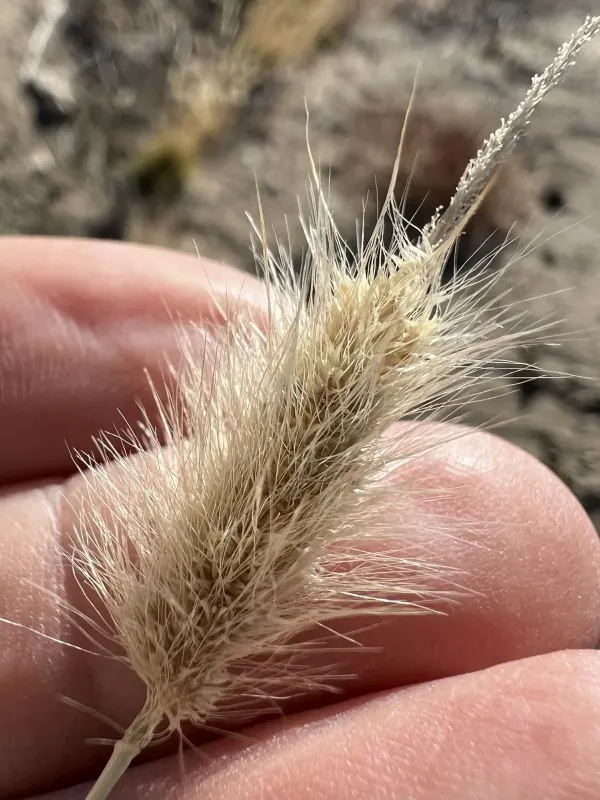
Botanically, it is characterized by its dense, silky-looking, spike-like panicle inflorescence. This unique structure provides the plant with an ornamental appearance, while the fine awns on the glumes give it a distinct texture.
The stems typically grow up to 50 cm in height, with linear, rough-textured leaves. As a member of the grass family, it utilizes an efficient C3 photosynthetic pathway, adapted to cooler growing conditions.
Successful establishment of the plant requires consistent moisture levels. It is rarely found in drought-prone areas, emphasizing its status as an indicator of stable hydrological conditions in agricultural or natural landscapes.
Main diseases and pests
Like many members of the grass family, annual beardgrass is susceptible to various rust fungi and smuts, which can impact seed production. These diseases are most prevalent in dense stands with poor air circulation.
Common insect pests include grass aphids and stem-boring larvae. However, due to its specialized habitat, outbreaks are usually localized and do not cause widespread damage to wild populations.
In agricultural settings, it is often managed as a weed. Control measures include tillage and the application of herbicides, as the plant can become competitive in moist, irrigated crop fields.
Environmental threats to the species include the degradation of wetlands and excessive soil salinity beyond its tolerance threshold. Habitat destruction is the primary cause of population decline in certain regions.
Ongoing monitoring is essential to balance the plant's role in local ecosystems with its potential impact on agricultural productivity. Understanding its life cycle helps in managing it effectively within sustainable farming practices.