
Polypogon fugax
Polypogon fugax
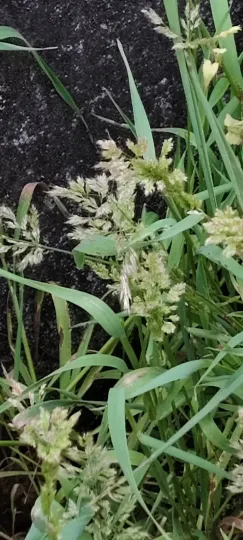
Description
Growing requirements
Polypogon fugax, commonly known in botanical terms as a species of beard grass, is an annual plant belonging to the Poaceae family. While it is not a primary cultivated crop, it is of significant interest in agronomy as a persistent weed in moist environments.
The plant originates from East Asia and is widely distributed across regions including China, Korea, and Japan. It thrives in wetland habitats, riverbanks, and irrigated agricultural lands, particularly favoring areas with high soil moisture content throughout the growing season.
Morphologically, Polypogon fugax features slender, upright stems that can grow up to 60 centimeters in height. Its leaves are linear and possess a characteristic roughness. The root system is fibrous, allowing it to anchor effectively in loose or saturated soils common in paddy fields.
The inflorescence is a dense, panicle-like structure. As the plant matures, the spikelets become prone to abscission, which facilitates the wide dispersal of seeds. This reproductive strategy makes the species highly successful in colonizing disturbed agricultural sites.
Regarding climate and soil, the plant prefers temperate conditions with ample rainfall or irrigation. It is particularly competitive in paddy rice cultivation, where it can quickly establish dominance if water levels are not properly managed or if herbicide regimes are ineffective.
Main diseases and pests
As a weed, Polypogon fugax acts as an alternative host for several pests that target cereal crops, including various species of aphids and thrips. These insects can cause secondary infestations in nearby agricultural fields if the weed is not managed properly.
Fungal pathogens such as rusts and smuts can occasionally infect this species, though they rarely act as effective biological control agents. The plant is inherently resilient and can withstand a variety of environmental stresses, including minor fluctuations in soil acidity.
Chemical control is the most common method of managing this species in commercial farming. Herbicides formulated for grass control, typically applied during the early vegetative growth stage, are the most effective way to minimize its impact on crop yield.
Cultural control methods involve strict water management and the use of competitive crop rotations. In rice fields, flooding depth adjustments can significantly suppress the emergence and development of this weed by limiting its access to necessary oxygen levels.
Physical removal is feasible in small-scale farming or organic systems. It is crucial to perform weeding before the panicles mature and disperse seeds; otherwise, the soil seed bank will increase, leading to recurring problems in subsequent planting seasons.