
Polypogon interruptus
Polypogon interruptus
Description
Growing requirements
Polypogon interruptus, commonly known as ditch polypogon, is a perennial grass belonging to the Poaceae family. This species is biologically characterized by its preference for moist environments, making it a reliable performer in wetland and riparian agricultural landscapes.
Originating from the Americas, the species has spread across various regions characterized by high humidity. It is frequently found in floodplains and along the edges of permanent water bodies, where its root system helps in stabilizing banks and preventing soil erosion.
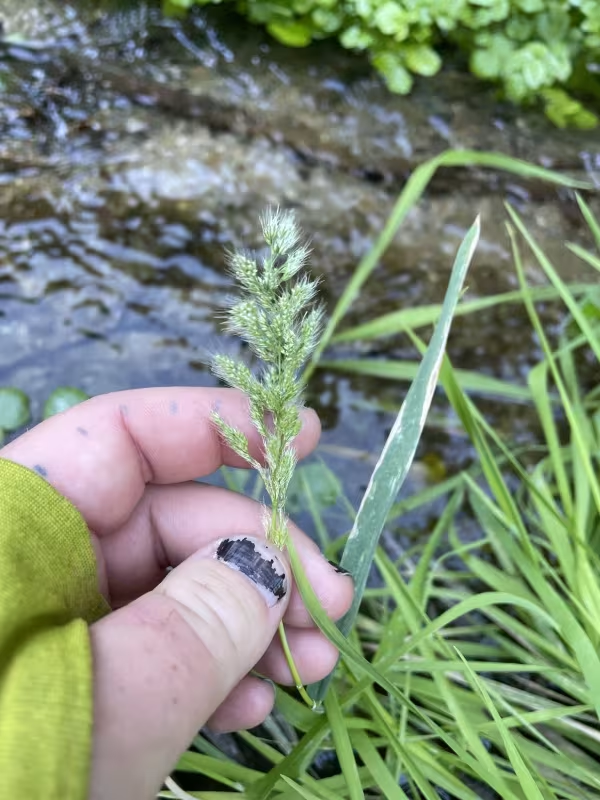
The botanical structure of this grass includes erect stems and slender leaves, typically forming loose, tufted clumps. The inflorescence is a distinct, dense, and interrupted panicle, which serves as a key identifying feature during the reproductive stage of the plant's life cycle.
Regarding soil requirements, the plant thrives in rich, moisture-retentive soils. It is particularly sensitive to soil compaction but shows high tolerance for waterlogged conditions, which would be detrimental to most traditional cereal or fodder crops, making it a specialized choice for specific terrains.
In terms of agricultural utility, Polypogon interruptus is primarily valued for its contribution to forage production in damp meadows. Its ability to provide consistent green biomass throughout the growing season makes it an important component in the management of marginal agricultural lands.
Main diseases and pests
The primary threats to the health of this crop include fungal pathogens that flourish in damp, stagnant air. Rust fungi are the most significant concern, as they can cause severe yellowing and reduction of leaf surface area, impacting the nutritional quality of the forage.
Leaf spot pathogens also frequently affect stands, particularly during the transition between the rainy and dry seasons. Proper management of the canopy density through rotational grazing or timely mechanical harvesting is essential to prevent the buildup of fungal inoculum.
Insects like aphids and certain species of stem-boring flies can cause localized damage to the crop. While these pests rarely lead to total crop failure, they can weaken the plant's vigor, making it more susceptible to secondary environmental stresses or winter kill.
Effective management strategies emphasize the use of cultural controls rather than systemic chemical inputs. Encouraging biodiversity within the field margins can help maintain natural predator populations that keep pest levels below the economic injury threshold.
The overall resilience of the crop depends on maintaining appropriate soil moisture levels and ensuring the stand does not become excessively old. Periodic rejuvenation of the meadow through controlled grazing or mowing helps maintain a high-quality, vigorous stand of this grass.