
Mediterranean beard grass
Polypogon maritimus
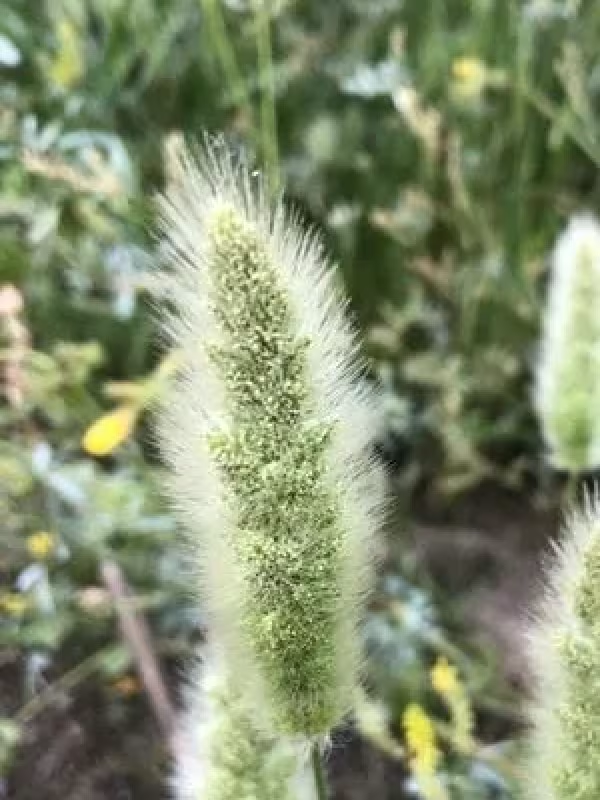
Description
Sowing dates
Mediterranean beard grass belongs to the Poaceae family. It is a hardy, annual grass species naturally occurring in coastal regions, salt marshes, and sandy areas, which dictates its biological preferences.
In managed cultivation, seeds are sown in early spring as soon as the frost risk has passed. The seeds are small and require a fine, well-prepared seedbed to ensure proper soil-to-seed contact and optimal germination rates.
Germination typically occurs when soil temperatures reach 12–15 degrees Celsius. Providing a consistent moisture supply during the first few weeks is crucial to ensure establishment and healthy root development.
The recommended seeding depth is shallow, approximately 0.5–1 cm. Planting the seeds too deep can significantly inhibit emergence and reduce the overall density of the established stand.
Using a precision seeder with narrow row spacing is advised to maximize land coverage and minimize the invasion of weeds during the early growth stages of the plant development.
Growing requirements
This species is highly halophytic, meaning it has an exceptional tolerance for saline soils. This trait allows it to thrive in environments where many other forage grasses would fail due to salinity stress.
Full sun exposure is essential for the development of Mediterranean beard grass. It performs best in open areas where it can receive maximum solar radiation for biomass accumulation.
The ideal soil texture is sandy or loamy-sand. While the plant prefers well-drained conditions, it is inherently adapted to survive brief periods of tidal inundation or high groundwater levels.
The plant thrives under moderate to warm temperatures. It exhibits good resilience to fluctuating environmental conditions once it reaches the vegetative maturity stage.
Nutrient requirements are relatively low compared to high-intensity agricultural crops. The grass is well-adapted to surviving on soil with limited organic matter, provided there is adequate light and moisture.
Main diseases and pests
Fungal pathogens such as rust are common threats, especially when weather conditions include prolonged periods of high humidity and restricted air movement around the plants.
Powdery mildew may develop in dense stands. This disease can be mitigated by ensuring proper spacing and avoiding excessive nitrogen fertilization, which encourages lush, susceptible foliage.
Sucking insects, particularly aphids, are the primary pests that target the stems and leaves. Heavy infestations can lead to stunted growth and reduced seed set in affected areas.
Soil-borne pathogens can affect root systems, particularly in poorly drained soils where water stagnation occurs. Maintaining proper drainage is a critical preventive measure for overall crop health.
Integrated pest management, including regular scouting and selective application of bio-insecticides, is the most effective approach to protecting the crop during its vulnerable stages.