
Podocarpus spinulosus
Podocarpus spinulosus
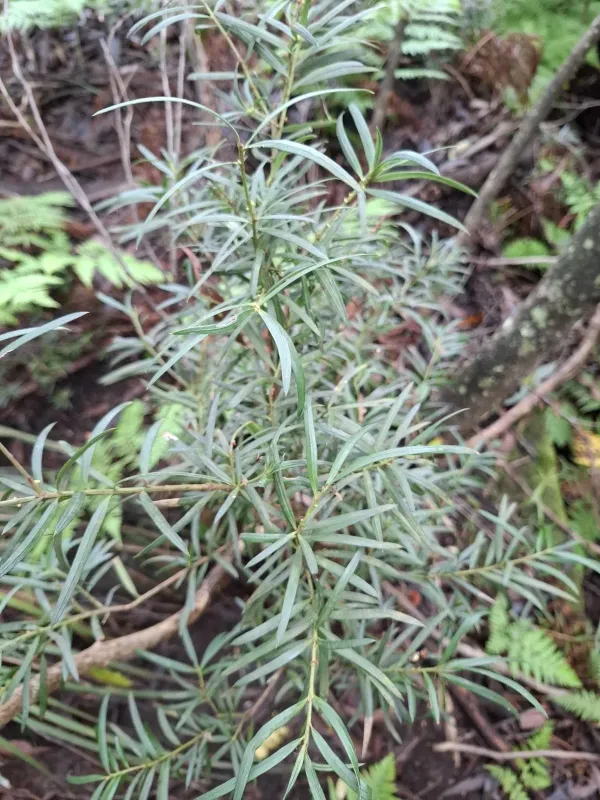
Description
Growing requirements
Podocarpus spinulosus, commonly known as the prickly podocarp, belongs to the Podocarpaceae family. It is a slow-growing evergreen shrub native to the coastal regions of eastern Australia, typically found in moist, shaded forest understories.
For successful cultivation, the plant requires well-draining, acidic to neutral soil rich in organic matter. Sandy loam or a specialized potting mix for conifers is ideal to prevent root asphyxiation, which the plant is highly susceptible to in stagnant conditions.
Climatically, this species prefers mild temperatures and high atmospheric humidity. While it is hardy in its native subtropical range, it should be protected from harsh, drying winds and extreme frost if grown in ornamental containers or colder regions.
Light requirements are flexible, ranging from partial shade to filtered sunlight. Excessive direct exposure can cause yellowing or scorching of the leaves, particularly in younger specimens, hence the preference for protected garden spots or screened greenhouses.
Proper maintenance involves seasonal pruning to preserve its structural integrity and encourage bushiness. Fertilization should be conducted with balanced, slow-release fertilizers specifically formulated for acid-loving or coniferous trees during the spring growing phase.
Main diseases and pests
Root rot caused by Phytophthora or similar fungal pathogens is the primary threat to the prickly podocarp. This is almost always exacerbated by poor soil drainage and irrigation mismanagement.
Scale insects represent a major pest risk. These pests hide on the underside of the needles and along the stems, weakening the plant by extracting phloem sap; consistent monitoring and systemic insecticide applications are recommended.
Spider mites are common in environments with low humidity, causing fine webbing and stippling on the foliage. Increasing humidity or using horticultural oils is often effective in controlling early-stage infestations.
Nutrient deficiencies, particularly iron or magnesium, can manifest as interveinal chlorosis. Regular testing of the growth medium is necessary to ensure optimal nutrient uptake and correct imbalances before structural damage occurs.
Sooty mold may develop as a secondary result of insect infestations, covering the needles in a black layer that inhibits photosynthesis. Removing the primary pest source is the first step toward clearing the mold.