
Podocarpus dispermus
Podocarpus dispermus
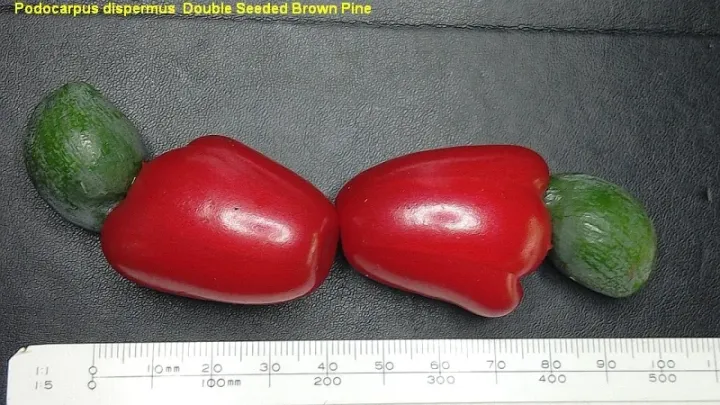
Description
Growing requirements
Podocarpus dispermus is a distinct member of the Podocarpaceae family. This evergreen species is native to the tropical rainforests of northeastern Queensland, Australia, where it thrives in humid conditions.
The plant demands a climate that mirrors its natural tropical habitat. It requires consistent temperatures throughout the year and a high ambient humidity level to sustain its physiological functions.
Regarding soil requirements, the species flourishes in well-draining, nutrient-rich soil with a slightly acidic pH. Proper drainage is critical to prevent the development of root issues common in waterlogged environments.
Light management is essential for successful cultivation. While it requires light for metabolic activity, it is susceptible to foliage damage if exposed to intense, direct tropical or summer sunlight.
In ornamental horticulture, Podocarpus dispermus is valued for its elegant foliage and slow growth rate, making it a specialized choice for botanical collections and controlled-environment greenhouses.
Main diseases and pests
Common health threats include fungal pathogens, particularly those triggered by poor air circulation and excessive moisture retention in the growing medium.
Scale insects represent a primary pest concern. These insects attach to the needles and stems, weakening the plant by draining sap, and often requiring targeted horticultural oil treatments.
Root rot is the most serious threat to the longevity of the plant. It is primarily caused by improper watering techniques that leave the soil saturated for extended periods.
Spider mites can also become a problem in drier indoor or greenhouse conditions. They thrive in environments with low humidity, causing yellowing and shedding of the foliage.
Regular monitoring of the foliage and substrate health is the most effective strategy for preventing widespread infestation or disease among these slow-growing specimens.