
Podocarpus coriaceus
Podocarpus coriaceus
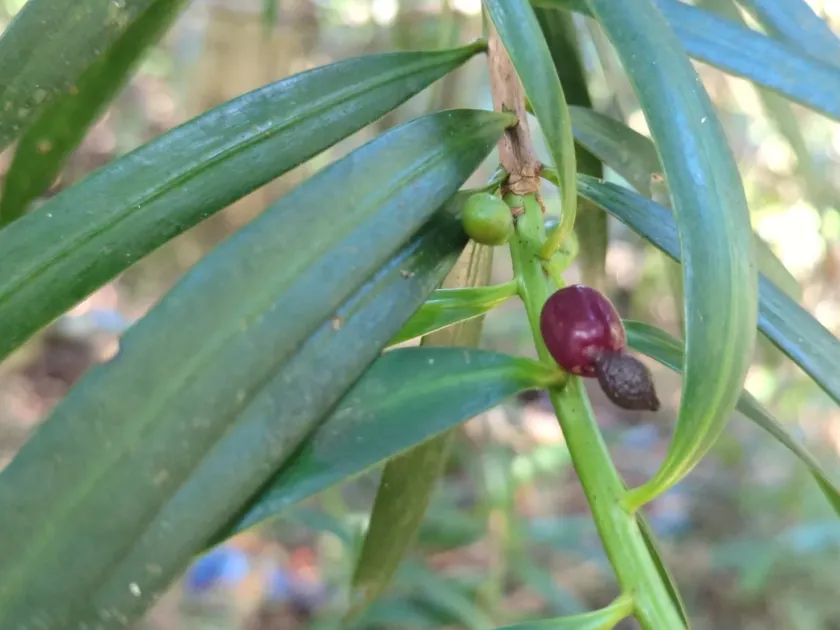
Description
Growing requirements
Podocarpus coriaceus is a distinct species belonging to the Podocarpaceae family. It is recognized as a slow-growing evergreen conifer that displays notable drought and environmental resilience once established in suitable tropical habitats.
Native to the Caribbean islands, the species thrives in humid forest conditions. Its natural distribution is tied to specific elevation ranges where it benefits from consistent cloud cover and moderate ambient temperatures throughout the year.
The agrotechnical requirements emphasize the need for well-draining, slightly acidic soil profiles. It is vital to avoid waterlogged conditions, which are the primary cause of physiological stress and root system degradation in this species.
Regarding climate, the plant prefers stable environments without harsh winters. It requires protection from strong winds and intense, direct sunlight, which can alter the structural integrity of its leathery foliage and reduce overall plant vigor.
Economically, Podocarpus coriaceus is highly valued for ornamental and landscape purposes. It is frequently utilized in botanical gardens and private estates for its evergreen aesthetic, serving as an effective component of structured garden designs.
Main diseases and pests
Typical pest challenges include common greenhouse threats such as mealybugs and aphids, which tend to congregate on the undersides of leaves. Regular monitoring and timely application of horticultural soaps are generally effective for control.
Pathogenic risks primarily include fungal infections like root rot. These occur predominantly in nurseries or garden plots where drainage is inadequate. Preventive management focuses on ensuring proper soil aeration and avoiding excessive overhead irrigation.