
Podocarpus angustifolius
Podocarpus angustifolius
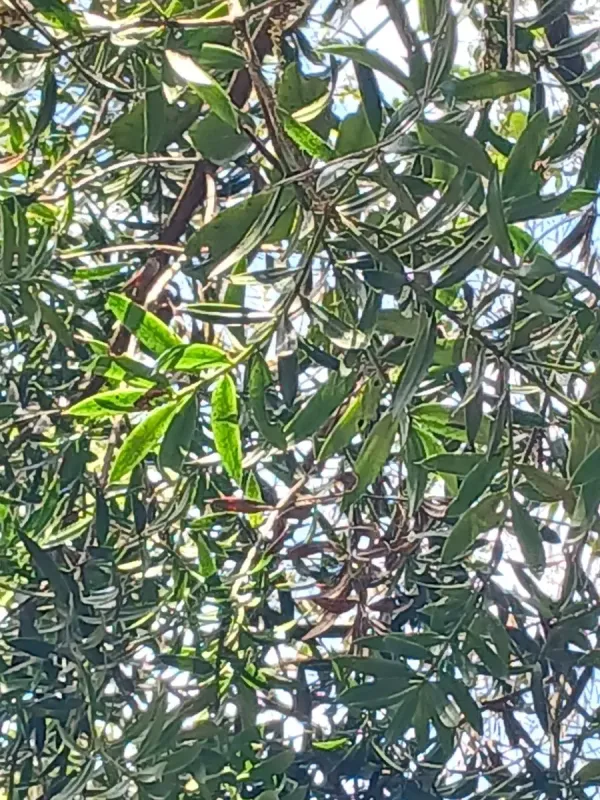
Description
Growing requirements
Podocarpus angustifolius is a distinctive species within the Podocarpaceae family. It is a long-lived evergreen plant characterized by its narrow, needle-like foliage that provides significant aesthetic value in both landscape design and conservatory collections.
Native to Cuba, this plant thrives in humid subtropical environments. Its evolutionary history is deeply tied to sheltered forest niches where the canopy provides natural protection from intense midday heat and strong winds.
For successful growth, the cultivation medium must ensure excellent drainage. While it tolerates various soil types, a well-aerated, slightly acidic substrate mimics its natural forest floor habitat and promotes healthy root development.
Temperature management is critical as this species is not frost-hardy. In temperate regions, it is primarily managed in greenhouses or as a high-end ornamental container plant that must be brought indoors during the colder months.
Maintenance techniques involve consistent moisture management and light fertilization during the growing season. Pruning should be performed strategically to maintain its structural integrity and encourage a fuller, more compact growth habit over time.
Main diseases and pests
The primary threats to Podocarpus angustifolius include root rot caused by stagnant water in the root zone. Ensuring a proper drainage system is the most effective preventative measure against soil-borne pathogens.
Pests such as spider mites, scale insects, and mealybugs are the most common adversaries, especially in low-humidity conditions. Integrated pest management, including regular foliage inspection and manual cleaning, is essential to keep the plant healthy.