
Podocarpus elatus
Podocarpus elatus
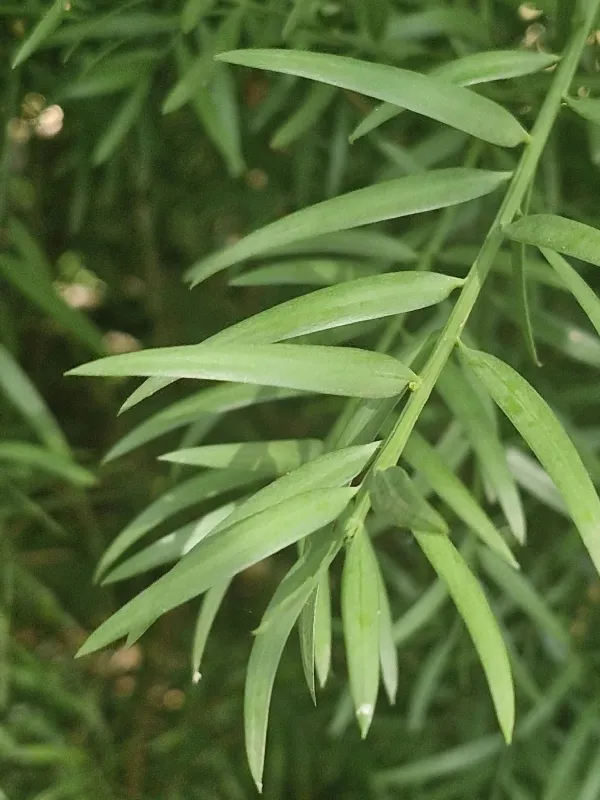
Description
Sowing dates
Propagation of Podocarpus elatus on a commercial scale is primarily achieved through seeds or stem cuttings. Seeds require stratification to enhance germination rates due to their hard coat.
Sowing should take place in a well-drained substrate rich in organic matter within a protected environment. The ideal germination temperature ranges between 20 and 25 degrees Celsius.
For vegetative propagation, semi-hardwood cuttings are used. These are planted in greenhouse conditions with high humidity levels to facilitate root development.
Transplanting seedlings to open fields is conducted only after the risk of late frosts has completely passed. Young trees require shade during their first years of growth.
Planting density in forest plots depends on the intended end-use, whether the goal is timber production or ornamental landscaping for public and private estates.
Growing requirements
Podocarpus elatus is a member of the Podocarpaceae family, known as a large, long-lived evergreen tree. It thrives in tropical and subtropical climatic zones.
The plant demands deep, fertile, and well-drained loam soils with a pH level ranging from neutral to slightly acidic to ensure optimal nutrient uptake.
Waterlogging in the root zone is extremely detrimental and often leads to root rot. While regular irrigation is necessary, the soil moisture must be strictly controlled.
Light requirements are moderate; the tree can tolerate partial shade, though it prefers filtered sunlight to develop a straight and robust trunk.
Sensitivity to extreme temperature fluctuations and strong, drying winds requires careful site selection, preferably in sheltered areas with a mild microclimate.
Yield
The primary commercial use of Podocarpus elatus is the production of high-quality timber. The wood is renowned for its durability, fine texture, and resistance to decay.
Growth rates are considered moderate, making it a viable long-term investment for reforestation projects in regions with suitable environmental conditions.
The timber is highly valued in the furniture industry, for musical instrument construction, and for premium cabinetry due to its tight grain and workability.
Beyond timber, the plant's succulent, fruit-like receptacles are edible and occasionally utilized in culinary applications, adding value to the crop.
In addition, the tree is extensively used in landscape architecture, where its aesthetic appeal makes it a sought-after species for specialized ornamental nurseries.
Main diseases and pests
Pathological risks are mainly associated with improper soil drainage, which promotes fungal infections affecting the tree's root system.
Pest threats primarily include scale insects and mealybugs, which tend to infest foliage and young shoots, especially in humid or greenhouse environments.
Damage to the primary stems by insects can lead to reduced tree vigor and compromise the final quality of the timber produced in the forest stand.
Integrated pest management, combining biological controls and targeted chemical treatments, is essential for maintaining healthy and productive stands.
Regular sanitary pruning of affected branches and diligent health monitoring are the most effective strategies for preventing the spread of disease within a plantation.