
Willow-leaved podocarp
Podocarpus salignus
Description
Growing requirements
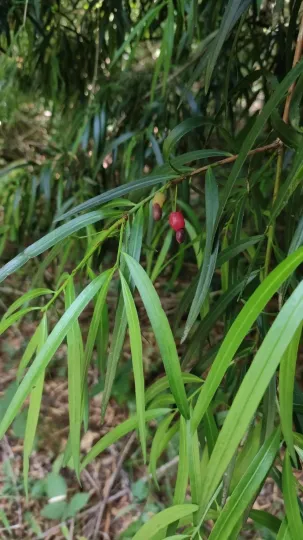
The willow-leaved podocarp (Podocarpus salignus) is a member of the Podocarpaceae family. It is an evergreen coniferous tree characterized by its elegant, weeping branches and narrow, lanceolate leaves that bear a striking resemblance to willow foliage.
Native to the temperate rainforests of Chile and parts of Argentina, this plant thrives in mild, humid climates. It prefers environments where temperatures remain relatively stable and avoids extreme continental weather fluctuations.
For optimal growth, Podocarpus salignus requires deep, fertile, and well-drained soil. The species is highly intolerant of waterlogged conditions, which can lead to root system failure and eventual decline of the tree health.
Regarding climate, the tree prefers regions with protection from harsh, drying winds. While it can withstand light frost, it is generally considered hardy only to around -10°C; in colder areas, it is best grown as a container plant that can be moved indoors during winter.
Basic maintenance includes consistent watering during the growing season and periodic application of balanced, slow-release fertilizers designed for evergreen plants. It does not require intensive pruning but can be shaped for aesthetic purposes in garden settings.
Main diseases and pests
The plant is relatively resistant to pests and diseases, but root rot remains a primary concern in poorly drained soils. Fungal pathogens such as Phytophthora can cause significant damage if the drainage is insufficient.
Scale insects are the most common pests affecting this species. They attach to the stems and leaves, extracting sap and weakening the plant. Regular monitoring of the foliage is recommended to catch infestations before they spread.
Spider mites are common in environments where air humidity is low, particularly in greenhouses or indoors. Maintaining proper humidity levels and ensuring good airflow around the tree is the most effective preventative measure.
If fungal infections are detected, appropriate fungicidal treatments should be applied. It is vital to use these chemicals with caution, as conifers can be sensitive to over-application of synthetic pesticides.
General hygiene, such as removing dead or damaged branches, is crucial for preventing the onset of secondary infections. Healthy trees with adequate nutrition are significantly more resilient against common biological threats.
Harvesting
The primary use of the willow-leaved podocarp is in ornamental horticulture. Its unique texture and growth habit make it a sought-after specimen for landscaping, particularly in botanical gardens and upscale garden designs.
Historically and commercially, the wood of the podocarp is highly valued. It is known for its durability, resistance to rot, and attractive grain, making it suitable for high-quality furniture making and interior woodwork.
Seed harvesting is conducted when the fruit matures in autumn. The seeds must undergo a period of stratification to break dormancy, which is an essential step for nursery production and propagation efforts.
In container cultivation, periodic repotting is necessary to ensure the root system has sufficient space. This practice helps maintain the vigor of the tree and prevents it from becoming root-bound, which can stifle growth.
Propagation is also frequently achieved through cuttings taken from semi-hardwood in late summer. This method ensures that the new plants retain the specific characteristics of the parent tree, maintaining consistency in the planting material.