
Podocarpus rumphii
Podocarpus rumphii
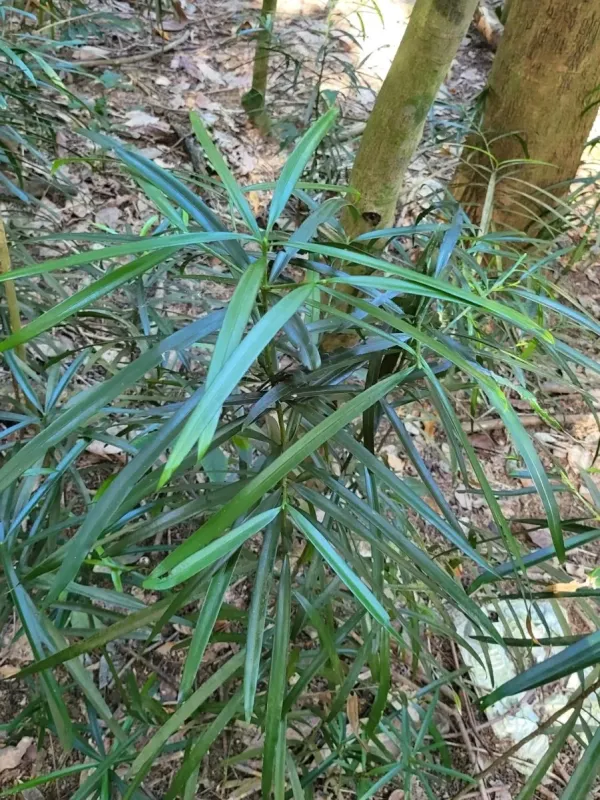
Description
Growing requirements
Podocarpus rumphii belongs to the Podocarpaceae family. It is an evergreen conifer species that can reach significant heights in its natural habitat, sometimes growing up to 30–40 meters tall.
The natural range of the species covers the tropical regions of Southeast Asia, including Indonesia, the Philippines, and New Guinea. The plant thrives in moist tropical forests and prefers well-drained substrates rich in organic matter.
For successful growth, the tree requires consistently high temperatures without sharp fluctuations. The optimal climate is characterized by high humidity and the absence of a distinct frost season, making it a typical plant of lowland tropical belts.
The soil for planting should have good aeration and drainage properties. While the species can adapt to various soil types, the most active biomass growth is observed in deep loamy soils with a neutral or slightly acidic pH.
In economic terms, the tree is valued for its high-quality timber, which is used in furniture making, cabinetry, and construction. Additionally, Podocarpus is often used in ornamental landscaping in regions with suitable climates due to its dense evergreen foliage.
Main diseases and pests
The main threats to the culture are associated with fungal diseases that occur during excessive moisture stagnation in the root zone. Root rot infection can lead to the rapid death of young seedlings if proper agrotechnical care is not maintained.
Pests such as aphids and various species of scale insects can attack the foliage and young shoots when the tree's immune system is weakened. For industrial-scale protection, monitoring the plant condition and timely application of insecticides are strongly recommended.