
Podocarpus pilgeri
Podocarpus pilgeri
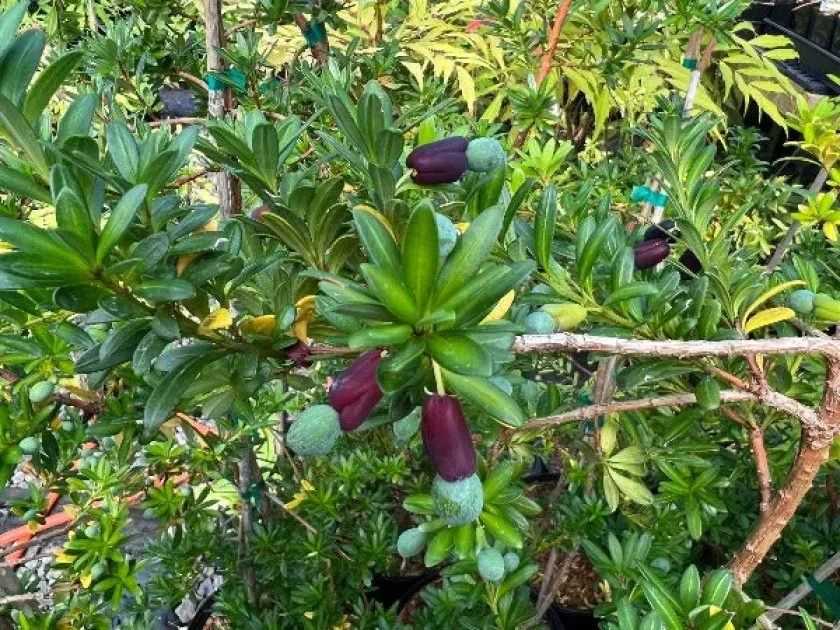
Description
Growing requirements
Podocarpus pilgeri is a coniferous evergreen tree belonging to the family Podocarpaceae, native to the tropical mountainous regions of Southeast Asia, primarily Indonesia and New Guinea.
The species thrives in humid tropical climates where temperatures remain consistently warm throughout the year without significant seasonal fluctuations.
Optimal cultivation requires well-drained, nutrient-rich soils with a slightly acidic to neutral pH, ensuring that the roots are not subjected to prolonged waterlogging.
Botanically, it is recognized for its lanceolate, leathery needles and the development of seeds with fleshy receptacles, which are typical characteristics of the Podocarpaceae family.
In terms of хозяйственное использование (economic use), the tree is valued in reforestation efforts and ornamental forestry due to its resilient wood and unique aesthetic appeal.
Main diseases and pests
Habitat loss due to large-scale deforestation and conversion of land for plantation agriculture poses the most significant threat to wild populations of this species.
Root rot pathogens represent a major threat when the tree is cultivated in poorly drained or containerized environments, necessitating strict moisture management.
Pests, such as scale insects and mites, can infest young foliage, causing stunted growth and reducing the overall decorative quality of the trees in nursery settings.
Fungal infections in the crown area are common in environments with stagnant air, potentially leading to needle drop and weakening the structural integrity of the plant.
The fragmentation of forest ecosystems creates severe challenges for natural seed dispersal and genetic diversity, requiring active conservation and propagation programs.