
Podocarpus parlatorei
Podocarpus parlatorei
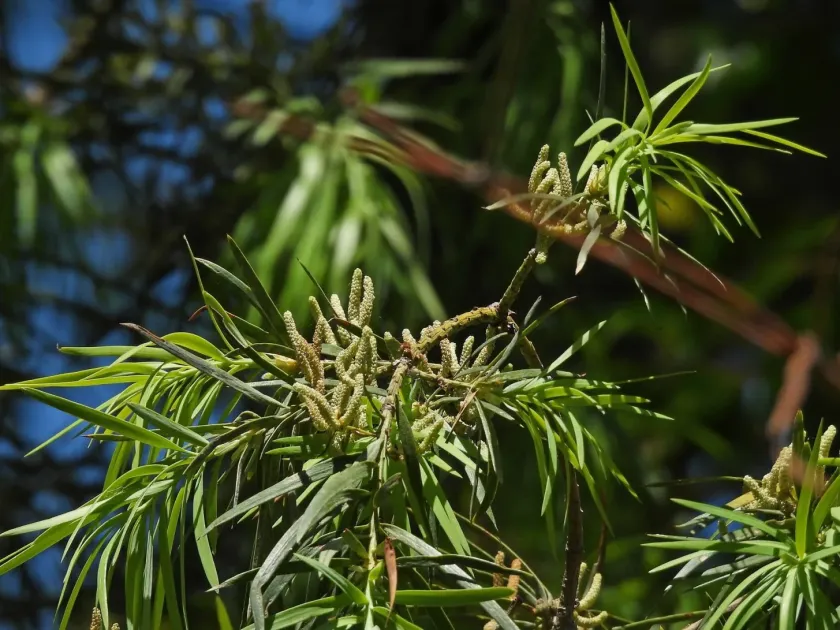
Description
Growing requirements
Podocarpus parlatorei is an evergreen coniferous tree belonging to the family Podocarpaceae. Native to the mountainous regions of South America, specifically along the Andes in Argentina and Bolivia, this species is a vital component of high-altitude forest ecosystems.
The tree thrives in cool, moist, and temperate climatic conditions. It requires consistent humidity and is sensitive to extreme drought or heat waves, which necessitates careful site selection when considering the establishment of new stands in similar latitudes.
Soil requirements for Podocarpus parlatorei include well-drained, nutrient-rich substrates. While it displays some adaptability to different soil types, it performs best in deep, slightly acidic soils that are characteristic of its native cloud forest habitat.
Agricultural management is characterized by slow growth rates, which defines its long-term cultivation cycle. Seedling care is paramount, requiring protection from direct midday sun and competition from faster-growing weeds during the establishment phase.
Botanically, the species is known for its resilient timber and unique morphology. Its foliage is evergreen, and the tree maintains its growth throughout the year provided that environmental moisture remains within an optimal range for physiological activity.
Yield
The primary economic value of Podocarpus parlatorei lies in its high-quality timber. The wood is dense, uniform in texture, and possesses excellent workability, making it highly suitable for fine cabinetry, joinery, and construction purposes.
Due to the slow development of the species, yield cycles are measured in decades. Effective forest management requires precise planning to ensure sustainable harvesting of wood while maintaining the overall health and regeneration capacity of the forest stands.
Main diseases and pests
Pathogenic threats include various fungal infections, particularly those affecting the root system in poorly drained soils. These pathogens can significantly reduce tree vigor and are often exacerbated by erratic weather patterns in mountain regions.
Pest threats include defoliating insects that can target young plants, leading to growth suppression. Integrated pest management, which focuses on biological monitoring and maintaining site hygiene, is recommended to prevent significant damage to forestry plantations.