
Podocarpus oleifolius
Podocarpus oleifolius
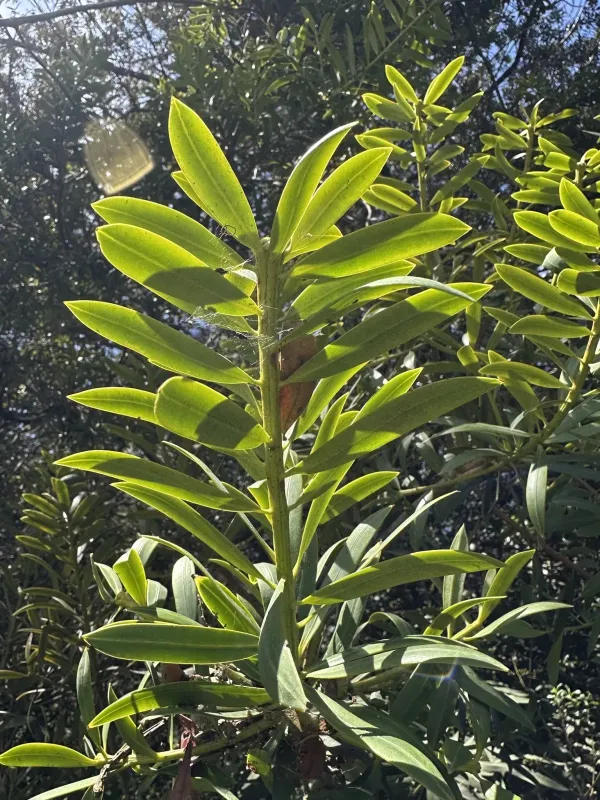
Description
Sowing dates
Podocarpus oleifolius is a coniferous tree belonging to the Podocarpaceae family. In agricultural and forestry practice, propagation is primarily done through seeds, which require careful stratification to ensure uniform germination rates.
Seeds are sown in professional nurseries using well-drained, nutrient-rich substrates. The most favorable period for sowing is the beginning of the rainy season, which provides the necessary soil moisture for seedling emergence.
In natural habitats, this species shows good regenerative capacity under forest canopy, but in commercial plantations, spacing control is essential to promote straight trunk growth and high-quality timber development.
Initial growth is notoriously slow, making the management of competing weeds and fast-growing shrubs a critical agricultural task during the first years of the plant's life.
Once seedlings reach a height of 30 to 50 cm, they are ready for transplantation to their permanent location, where they gradually adapt to the local environmental conditions.
Growing requirements
The culture thrives in tropical and subtropical climatic zones with significant rainfall. It is well-adapted to highland forest conditions, where the tree experiences substantial variations in diurnal temperatures.
Soil requirements focus on excellent drainage, as the species is highly sensitive to waterlogging. Acidic to slightly acidic loams are considered the ideal medium for optimal root development.
The optimal temperature range for active vegetation lies between 18 and 25 degrees Celsius. While the tree can tolerate minor cold snaps, severe frost poses a significant risk to young shoots and leaves.
Light exposure is a critical factor for development: while juvenile plants are shade-tolerant, mature trees require moderate to full sunlight to maximize biomass production and wood density.
In regions prone to distinct dry seasons, supplemental irrigation is mandatory during the first five years after planting to ensure the survival and vigor of the young trees.
Main diseases and pests
The main threats to this species include fungal pathogens, particularly those linked to root rot when soil aeration is insufficient or moisture levels become excessive.
Insect pests, including scale insects and aphids, can significantly impact young trees in nursery environments, leading to reduced growth rates and increased susceptibility to secondary infections.
Physical damage to the bark by rodents or larger animals can compromise the tree's defense mechanisms, providing entry points for various pathogens and wood-boring insects.
The encroachment of aggressive invasive species often poses a competitive threat, as they may outcompete the slow-growing Podocarpus for soil nutrients and light.
- Root rot (Phytophthora)
- Scale insects
- Aphids
- Rodent damage
Harvesting
The economic value of Podocarpus oleifolius lies in its high-quality, durable, and decay-resistant timber. Due to the tree's slow maturation rate, harvest cycles are relatively long, spanning several decades.
Its wood is highly prized in fine woodworking and furniture manufacturing due to its resistance to termites and rot, maintaining structural integrity over long periods.
Harvesting strategies must prioritize sustainable forestry practices, particularly in mountainous regions, to prevent soil erosion and ensure the continued ecological stability of the forest landscape.
Selective harvesting is the preferred method, allowing for the preservation of the forest structure and facilitating natural regeneration cycles across the plantation area.
Post-harvest processing involves controlled drying to stabilize the timber, preventing cracks and deformations that could diminish the value of the final wood products.