
Cloud Podocarp
Podocarpus nubigenus
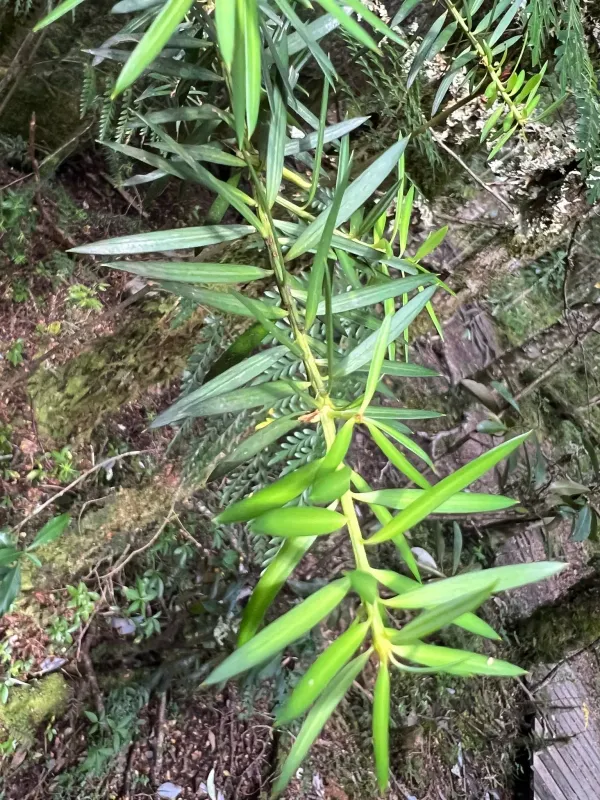
Description
Growing requirements
Cloud Podocarp (Podocarpus nubigenus) is a slow-growing coniferous species belonging to the Podocarpaceae family. It is a long-lived evergreen tree that can reach heights of up to 20 meters, characterized by its dense, dark green, needle-like foliage.
The species originates from the temperate rainforests of Chile and Argentina. It thrives in high-humidity environments and is well-adapted to oceanic climates, which significantly influences its specific requirements for cultivation.
The plant requires deep, well-draining, and nutrient-rich soils to flourish. While it appreciates moisture, the soil must not be waterlogged, as poor drainage is the primary cause of root failure in young specimens.
Ideally, this tree should be planted in locations protected from cold, desiccating winds, which can easily damage its needles. It prefers a climate with mild winters and cool to moderate summers, consistent with its natural forest habitat.
Agrotechnical practices involve regular moisture management, especially during dry spells, and applying organic mulch to maintain root zone stability. Propagation is typically achieved through seeds or stem cuttings conducted within specialized nursery conditions.
Yield
The Cloud Podocarp is primarily valued in forestry for its high-quality, dense timber, which is highly resistant to decay and insect damage. This makes the wood a preferred choice for carpentry, musical instrument making, and construction.
In addition to its timber value, the species is widely cultivated in horticulture for its ornamental beauty. Its ability to maintain a dense form makes it an excellent candidate for formal landscapes, hedging, and as a focal specimen.
Main diseases and pests
The most significant pathological threat is root rot, typically caused by fungi when the tree is subjected to excessive soil moisture. Preventive strategies include rigorous site selection with adequate soil aeration and strict irrigation protocols.
Insect pests, including scale insects and mites, can occasionally affect the foliage, particularly if the plant is grown in unfavorable or stressed conditions. Routine monitoring and the application of horticultural soaps or pesticides are effective control measures.