
Podocarpus neriifolius
Podocarpus neriifolius
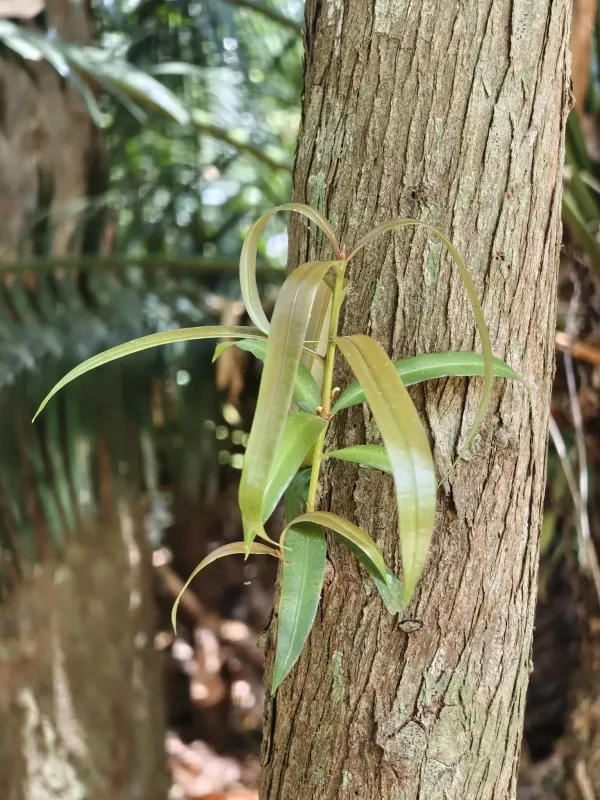
Description
Growing requirements
Podocarpus neriifolius belongs to the Podocarpaceae family. It is a slow-growing, evergreen conifer that typically features a pyramidal shape and distinctive, lanceolate leaves, which is why it earned its common name, the oleander-leaved podocarp.
The native distribution of this species spans across the tropical and subtropical forests of Southeast Asia, including parts of India, Indonesia, and the Philippines. It thrives in humid tropical environments that offer consistent warmth throughout the year.
For successful cultivation, the species requires deep, fertile, and well-drained soils. While it can adapt to various soil types, waterlogged conditions are detrimental to its root health. A slightly acidic to neutral soil pH is considered ideal for nutrient uptake.
Agronomically, Podocarpus neriifolius is valued for its versatility. In its youth, it can withstand shade, making it suitable for understory planting or indoor container cultivation. As it matures, it prefers partial shade or bright, filtered sunlight to maximize growth rates.
The wood produced by this tree is highly regarded for its fine texture and durability. It is frequently harvested for high-end furniture manufacturing and carving. Additionally, the tree is a staple in ornamental landscapes, prized for its ability to be shaped through regular pruning.
Main diseases and pests
Fungal infections, particularly root rot, represent the primary threat to the species, usually triggered by excessive irrigation or poor drainage systems in nursery and plantation environments. Preventing saturated soil is the most effective management strategy.
Pests such as scale insects, aphids, and spider mites frequently affect the tree's health, particularly when it is grown in environments with limited airflow or low humidity. These pests suck sap from the foliage, causing stress and reducing photosynthetic activity.
Maintaining proper hygiene in the growing area is essential for pest control. Removing debris and infected plant parts helps reduce the inoculum level of pathogens. Regular monitoring is encouraged to detect outbreaks early before they require aggressive chemical intervention.
Chemical control measures should only be used when necessary, following integrated pest management principles. Using systemic insecticides can be effective against sap-sucking insects, while fungicides are reserved for managing persistent fungal outbreaks on leaves or branches.
Environmental stress, such as exposure to frost or prolonged dry spells, also poses a significant risk to the plant's structural integrity. Protecting young trees from extreme weather conditions is crucial for establishing a resilient root system and healthy growth cycle.