
Podocarpus milanjianus
Podocarpus milanjianus
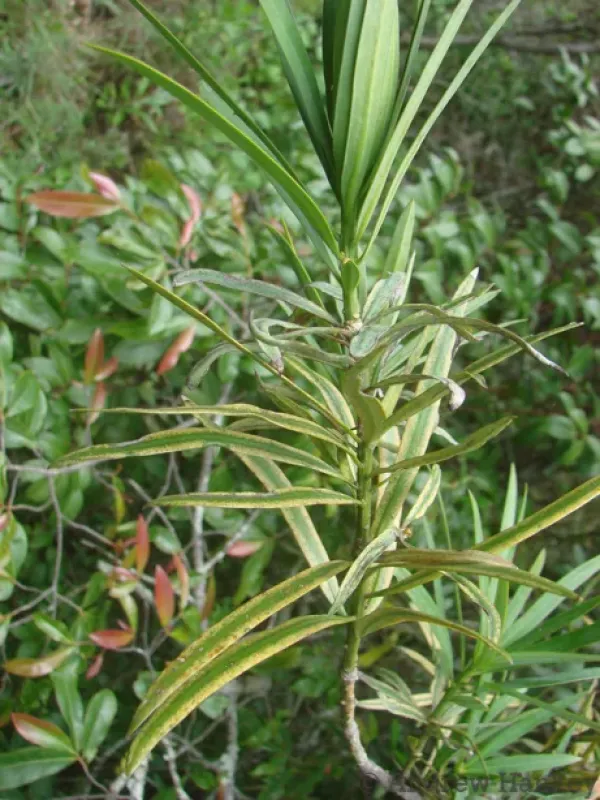
Description
Growing requirements
Podocarpus milanjianus belongs to the Podocarpaceae family. It is a prominent evergreen coniferous tree native to the montane regions of tropical Africa, often found in high-altitude moist forests where it constitutes a significant part of the ecosystem.
The natural habitat of this species is characterized by high humidity, frequent mist, and moderate temperatures. It typically grows at elevations ranging from 1,500 to 3,000 meters, thriving in environments that protect it from extreme heat and severe drought.
In terms of soil requirements, the tree prefers deep, fertile, and well-drained soils with a slightly acidic to neutral pH. Proper soil structure is essential for the root system, which relies on symbiotic fungi to optimize nutrient absorption in high-altitude conditions.
Cultivation requires careful site selection where air circulation is adequate. While the plant appreciates moisture, it cannot tolerate waterlogged soils, which can lead to root decay and overall stunted growth in plantation settings.
The timber harvested from Podocarpus milanjianus is highly valued for its durability, fine grain, and ease of processing. These characteristics make it a preferred material for high-quality furniture, interior carpentry, and specific construction applications.
Main diseases and pests
The primary threats to Podocarpus milanjianus involve habitat degradation and over-exploitation for timber. As the species has a relatively long growth cycle, unsustainable harvesting practices pose a serious risk to the long-term viability of native stands.
Root pathogens, particularly fungi like Phytophthora, are major threats in plantation environments where soil moisture management is suboptimal. These diseases often spread rapidly if drainage is not maintained correctly across the growing site.
Pests such as bark beetles and various wood-boring insects represent a significant danger, especially to trees stressed by environmental fluctuations or inadequate care. Preventive measures, including the removal of deadwood, are crucial to maintaining forest health.
Environmental stressors like prolonged drought or excessive soil nutrient depletion can weaken the natural defense mechanisms of the trees. This makes them significantly more susceptible to opportunistic diseases that can lead to large-scale mortality.
Integrated forest management, involving constant monitoring and early detection of pathological symptoms, is the most effective strategy for protecting these valuable resources from devastating outbreaks and ensuring sustainable production.