
Podocarpus matudae
Podocarpus matudae
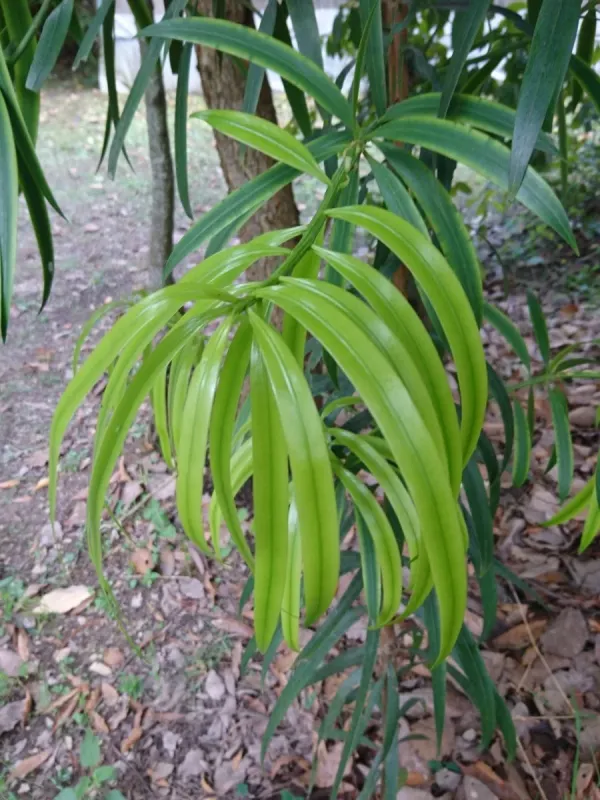
Description
Growing requirements
Podocarpus matudae is a notable species within the Podocarpaceae family. This evergreen tree is native to the cloud forests of Mexico and Central America, where it thrives in high-altitude environments.
The climate requirements for this species are specific, favoring moderate temperatures and high atmospheric humidity. It lacks the hardiness of many northern conifers and requires protection from frost and intense, dry heat.
Regarding soil conditions, the plant demands excellent drainage to prevent root rot. A nutrient-rich, acidic soil mix, similar to those used for other subtropical conifers, provides the best foundation for root development.
In terms of light exposure, Podocarpus matudae performs best in dappled or filtered light. While it can adapt to lower light levels, excessive shade may cause leggy, thin growth, whereas direct sun often scorches the needles.
This plant is primarily utilized as an ornamental specimen in conservatories and botanical collections. Its slow growth rate and architectural needle structure make it a favorite for those specializing in exotic plant cultivation.
Main diseases and pests
The most significant threats to Podocarpus matudae are fungal diseases linked to overwatering. Maintaining a moist but not soggy substrate is vital for preventing pathogens from attacking the root system.
Common insect pests include scale insects and mealybugs. These pests are often found hiding in the axils of the needles, where they feed on sap and excrete honeydew that attracts secondary fungal growth.
Spider mites can become an issue if the plant is kept in an environment with poor airflow and very low humidity. These mites quickly cause stippling and discolouration on the needles.
Nutritional imbalances, specifically iron or magnesium deficiency, can lead to chlorosis. This condition causes the needles to turn yellow, significantly diminishing the tree's aesthetic appeal.
Integrated pest management, including regular inspections and the use of targeted horticultural oils, is highly recommended to keep the specimens healthy and free from damage.