
Podocarpus longifoliolatus
Podocarpus longifoliolatus
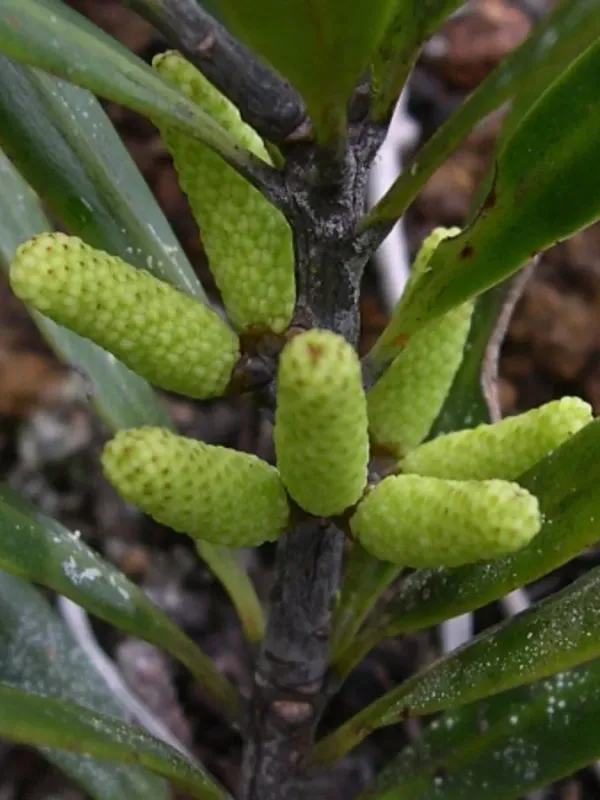
Description
Growing requirements
Podocarpus longifoliolatus is a distinguished member of the Podocarpaceae family. This evergreen conifer is highly valued for its unique foliage and elegant structure, which makes it a standout choice for botanical collections and specialized landscaping.
This species thrives in well-drained, nutrient-rich soils with a slightly acidic to neutral pH. Proper soil composition is essential, as the roots are sensitive to waterlogging, which can lead to rapid decay if the drainage system is inadequate.
Climatic requirements focus on warmth and stability. The tree does not tolerate freezing temperatures well, necessitating a controlled environment in temperate zones. It is best suited for sheltered garden spots or conservatory settings where the temperature remains consistent throughout the year.
Regarding agrotechnical practices, the plant requires consistent moisture levels during the growing season. It also benefits from regular applications of balanced, slow-release fertilizers designed for coniferous trees to promote lush green growth and robust root development.
The economic value of this species lies in its ornamental use and its high-quality, durable timber. Historically, the wood has been sought after for specialized carpentry due to its density and natural resistance to decay, reflecting the plant's biological longevity.
Main diseases and pests
Common pests affecting this conifer include scale insects and mealybugs, which are often found on the underside of the leaves. Manual removal or the use of horticultural oils is frequently recommended to manage early infestations effectively.
Fungal pathogens such as root rot can occur if the soil remains excessively wet. These conditions often arise from improper watering routines, highlighting the importance of allowing the top layer of soil to dry out slightly between irrigation cycles.
Preventive care involves maintaining good airflow around the tree, which significantly reduces the risk of fungal spores taking hold. Pruning is essential not only for shaping but also for thinning out dense foliage to ensure adequate ventilation.
If chemical interventions are necessary, systemic insecticides prove effective against sap-sucking pests. Always ensure that the treatment is applied during cooler parts of the day to avoid leaf stress and potential phytotoxicity.
Monitoring the plant for discolored or wilting foliage is crucial for early diagnosis of potential issues. Swift action and appropriate cultural adjustments can often save a stressed plant before the damage becomes irreversible.