
Podocarpus lawrencei
Podocarpus lawrencei
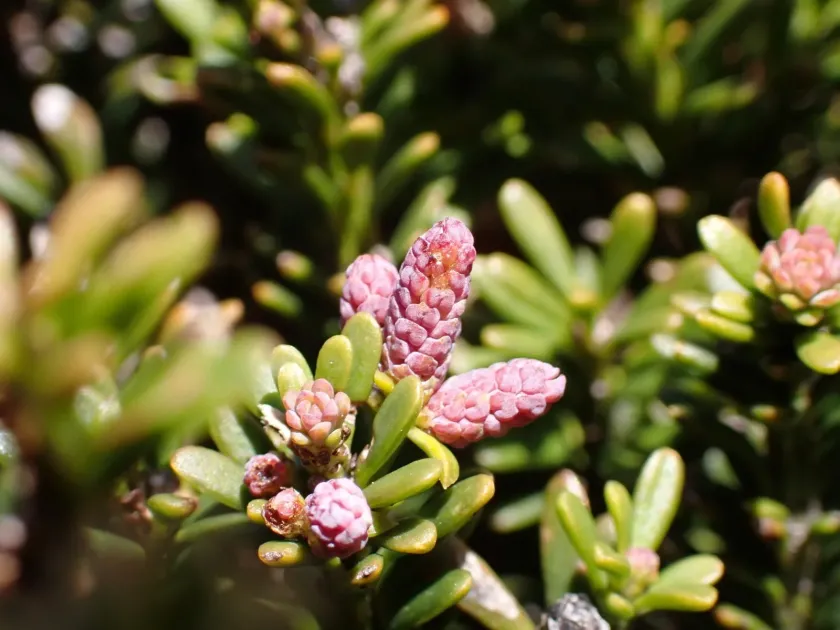
Description
Growing requirements
Podocarpus lawrencei, commonly known as the mountain plum pine, belongs to the Podocarpaceae family. It is a slow-growing, evergreen coniferous shrub native to the alpine regions of Australia, adapted to cool and moist mountain climates.
The plant thrives in well-draining, slightly acidic soils. It is intolerant of waterlogged conditions, which can lead to root rot; therefore, providing a porous substrate is essential for healthy development.
While Podocarpus lawrencei can grow in full sun, it performs exceptionally well in partial shade. In cooler climates, sunny locations are preferred, whereas in hot summers, protection from the intense afternoon sun is recommended.
The climate requirements include a preference for moderate temperatures. It is hardy enough to withstand frost, making it a reliable ornamental choice for temperate gardens compared to other, more tropical Podocarpus species.
Maintenance involves regular monitoring of soil moisture and light trimming. Due to its dense growth habit, it is frequently used as a hedge or a specimen plant in landscape architecture and rock gardens.
Main diseases and pests
The main threats to Podocarpus lawrencei are pathogenic fungi associated with damp conditions. Poor air circulation and saturated soil are the primary catalysts for fungal outbreaks affecting the foliage and root system.
Common pests include spider mites and scale insects. Spider mites are particularly problematic during dry, hot weather, often indicated by fine webbing and yellowing needles on the inner branches.
Scale insects present as small bumps on the stems, depleting the plant's resources. Manual removal or the application of horticultural oils is effective for managing minor infestations before they spread.
Maintaining a clean growing area and pruning away dead or overcrowded branches improves airflow, which serves as a natural deterrent against many common garden pests and diseases.
Regular applications of balanced, slow-release fertilizers during the growing season help the plant maintain its vigor, making it less susceptible to the stress that invites pest attacks.