
Podocarpus latifolius
Podocarpus latifolius
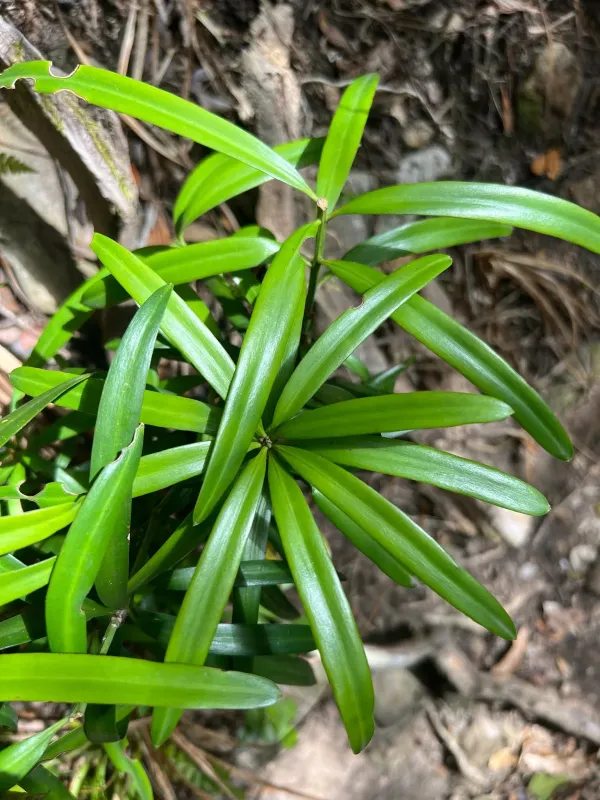
Description
Sowing dates
The propagation of Podocarpus latifolius is primarily achieved through seeds, which require careful handling due to the nature of the plant's development. Seeds are encased in a fleshy aril that must be removed prior to sowing.
Fresh seeds are essential for high germination rates, as the viability of the embryos decreases rapidly over time. Planting should occur in a well-aerated, sandy soil mix.
The optimal germination temperature ranges from 20°C to 25°C. Keeping the planting medium consistently moist is crucial, though waterlogging must be avoided to prevent seed rot.
Seedlings develop very slowly during the initial stages, necessitating protection from intense weather conditions. They remain in the nursery phase for a significant period before transplantation.
Once seedlings have reached a sufficient size, they can be potted individually. This stage requires specific attention to root development and balanced nutrient supply.
##requirements##As a key representative of the Podocarpaceae family, this species thrives in humid forest environments. It requires specific ecological conditions to reach its biological potential.
The soil should be deep, fertile, and slightly acidic to neutral. Good drainage is non-negotiable, as the roots are sensitive to hypoxia in saturated soil conditions.
Regarding climate, the plant prefers warm, frost-free regions. While it can withstand cooler temperatures for short durations, prolonged frost is detrimental to its development.
Regular maintenance involves light pruning to ensure structural integrity and the application of fertilizers during the active growth phase in late spring.
- Light: Full sun to partial shade.
- Watering: Moderate, maintain even soil moisture.
- Feeding: Balanced NPK fertilizer during growth.
Yield
Podocarpus latifolius is highly regarded in the forestry sector for its high-quality timber, commonly known as yellowwood. It is a prized material for cabinetry and fine furniture.
The wood is dense, straight-grained, and durable, which makes it resistant to decay and warping. These qualities ensure its high market value in specialized timber industries.
Beyond timber production, the tree is extensively used in landscape architecture as an ornamental plant due to its elegant evergreen foliage and attractive growth form.
Commercial yields of timber are dictated by the long rotation cycles inherent to this slow-growing species, necessitating sustainable management practices.
Recent interest has also focused on the biochemical properties of the plant, exploring its potential in developing natural compounds for pharmaceutical and medicinal applications.
Main diseases and pests
The primary threats to the health of these trees include fungal infections like root rot, which are often triggered by excessive irrigation or poor drainage systems in the plantation.
Insect pests, including scale insects and mealybugs, are common threats. They colonize the needles and branches, extracting sap and inducing chlorosis in the foliage.
Managing these threats requires an integrated approach, utilizing biological control methods alongside targeted chemical applications during critical growth stages.
Routine health inspections are essential for early detection of infestations. Removing diseased tissues immediately prevents the further spread of pathogens across the population.
Optimal site preparation, including ensuring adequate sunlight and air circulation, serves as the primary defense mechanism against most environmental and biotic stresses.