
Podocarpus hybrid
Podocarpus hybrids
Description
Growing requirements
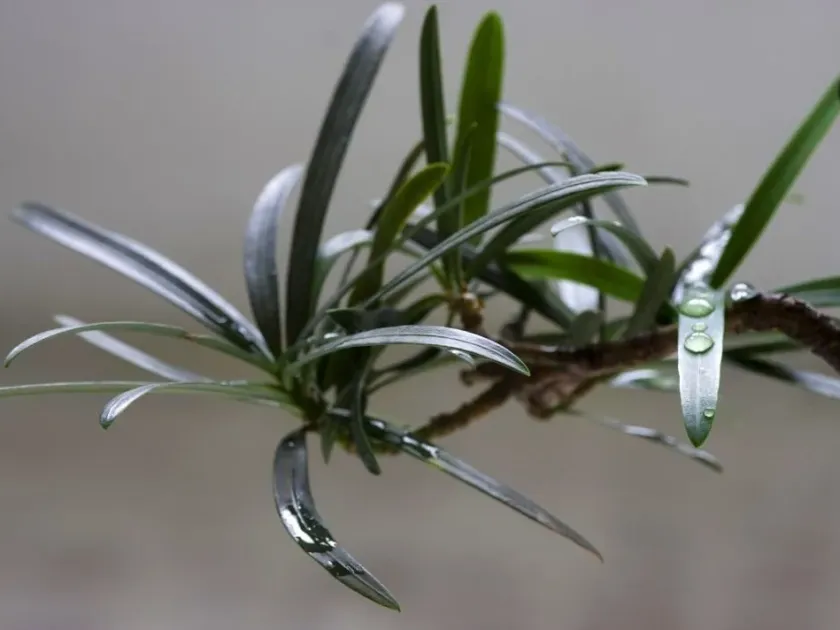
Podocarpus hybrid belongs to the Podocarpaceae family, a group of ancient evergreen conifers known for their resilience. These hybrids are prized in both ornamental horticulture and indoor landscaping for their lush, needle-like foliage that mimics broadleaf plants.
The plant originates from the subtropical and tropical regions of the Southern Hemisphere. Its natural distribution is characterized by mild climates where temperature fluctuations are minimal, allowing for consistent growth throughout the year without dormant phases.
The cultural requirements demand well-drained, nutrient-rich soil with a slightly acidic to neutral pH. Proper soil aeration is critical, as the roots are highly susceptible to oxygen deprivation if water stands stagnant in the growing medium for too long.
These plants prefer bright, indirect light to maintain their dense structure. While they can tolerate occasional direct sunlight, extreme midday heat in dry conditions may cause needle scorching, necessitating a balance of light and humidity.
Maintenance involves routine moisture management, ensuring the soil dries slightly between waterings. Fertilization should be focused on balanced slow-release nutrients applied during the active growth phase in late spring and early summer.
Main diseases and pests
Scale insects are among the most persistent pests affecting Podocarpus, often hiding in crevices. Because of their waxy shields, control requires systemic insecticides that are absorbed by the plant and ingested by the feeding insects during the season.
Spider mites represent a major threat, particularly in environments with low air humidity. Regular misting and maintaining optimal environmental conditions are essential to discourage these pests from establishing colonies on the foliage.
Root rot pathogens, such as Phytophthora species, are the primary biological threats linked to over-irrigation. Once established, these fungal infections are difficult to reverse, making preventive drainage management the most effective control strategy.
Mealybugs can often be found in the leaf axils of the plant, drawing nutrients and weakening the overall vigor. Manual removal combined with horticultural oil applications is usually sufficient to manage light infestations in greenhouse settings.
Nutrient deficiencies, particularly iron or magnesium, can result in pale or yellowed needles. Adjusting the fertilizer regime and verifying the soil substrate's ability to support nutrient uptake are vital for the long-term aesthetic value of the crop.