
Podocarpus guatemalensis
Podocarpus guatemalensis
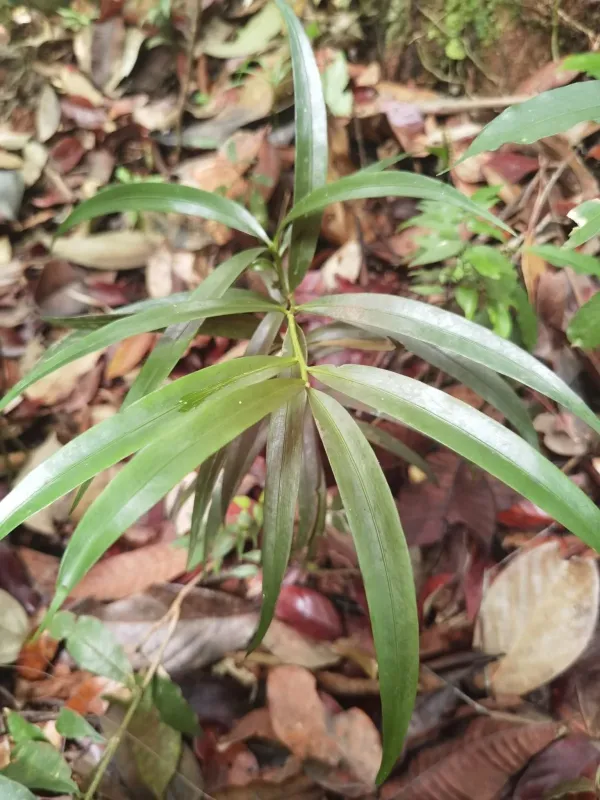
Description
Growing requirements
Podocarpus guatemalensis is an evergreen conifer belonging to the Podocarpaceae family, native to the tropical forests of Central America. This tree species is highly valued for its dense foliage and stable growth habit in warm, humid regions.
The crop thrives in well-drained, nutrient-rich soils. It is critical to ensure that the site has adequate drainage, as the roots are sensitive to waterlogging, which can lead to fungal diseases and poor development of the tree.
In terms of light exposure, this species prefers partial shade when young, mimicking its natural understory environment. As the tree matures, it can adapt to full sun exposure, which encourages faster growth and a more symmetrical crown development.
The climate requirement centers on consistent warmth and high humidity. Podocarpus guatemalensis is not frost-hardy and requires an environment where temperatures remain stable throughout the year, typically above 15 degrees Celsius.
Agronomic practices include consistent moisture management during the early establishment phase and the application of balanced fertilizers to support structural integrity and leaf color intensity in various soil types.
Harvesting
The primary economic use of Podocarpus guatemalensis is timber production. The wood is renowned for its strength, durability, and fine grain, making it an excellent material for cabinetry, indoor furniture, and high-quality construction applications.
Timber harvesting is conducted systematically, often through selective logging practices that support sustainable forest management. This ensures that the population of Podocarpus trees remains stable while providing a steady supply of quality wood.
Beyond wood production, this tree is a popular choice for ornamental landscaping. Its ability to tolerate regular pruning makes it an ideal candidate for formal hedges, topiary art, and evergreen garden features.
Harvesting for nursery propagation involves collecting seeds from mature fruits, which are processed carefully to ensure high germination rates for future plantation cycles.
Management of this species within agroforestry systems enhances local biodiversity by providing structural complexity in forest environments and contributing to the stability of regional ecosystems through continuous vegetative cover.