
Phedimus takesimensis
Phedimus takesimensis (Nakai) ’t Hart
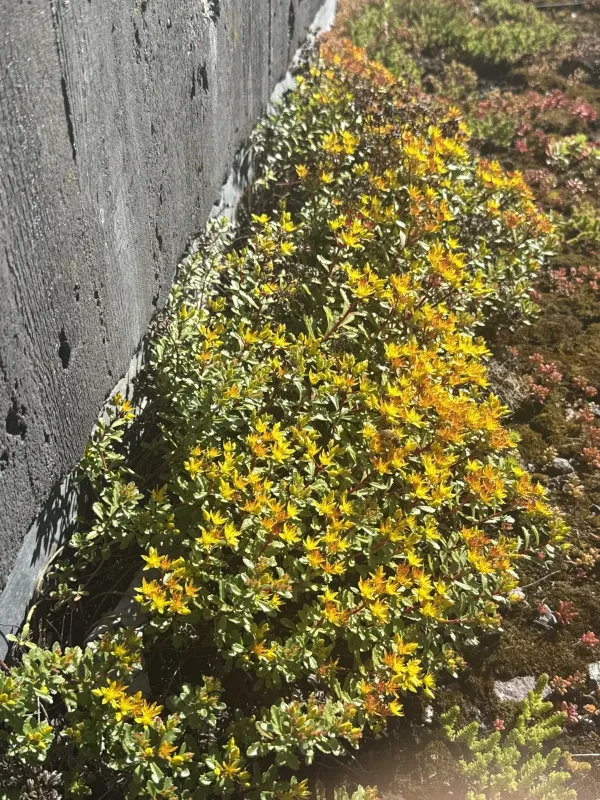
Description
Growing requirements
Phedimus takesimensis is a succulent perennial plant belonging to the Crassulaceae family. It is native to the Takeshima (Ulleungdo) island region, where it has adapted to rocky and coastal environments.
The plant thrives in well-draining, sandy, or rocky soil types. It is essential to ensure that the planting site has excellent drainage to prevent root rot, which is the most common issue for this succulent.
As a resilient species, it shows strong cold tolerance and can endure various environmental stresses, making it a reliable choice for landscaping in temperate regions.
Cultivation requires full sun exposure to maintain the plant's compact form and vibrant leaf color. Shade can cause the stems to become leggy and less aesthetically appealing.
In terms of maintenance, this species is very low-effort, requiring minimal fertilization and occasional pruning to keep the plant within its desired boundaries in the landscape.
Main diseases and pests
The primary concern for Phedimus takesimensis is the presence of excess moisture in the soil, which triggers fungal diseases and bacterial rot of the succulent leaves.
Pests such as mealybugs, aphids, and occasionally spider mites can attack the succulent foliage during warmer, drier periods of the year.
Preventative care involves ensuring adequate airflow and avoiding overwatering, which are the most effective ways to maintain a healthy stand of plants.
If an infestation occurs, targeted use of insecticidal soaps or systemic pesticides is recommended, though manual removal of localized pests is often sufficient.
Weed control is also essential, as competition from invasive vegetation can compromise the plant's access to light and nutrients, weakening its natural resistance.