
Aizoon stonecrop
Phedimus aizoon (L.) 't Hart
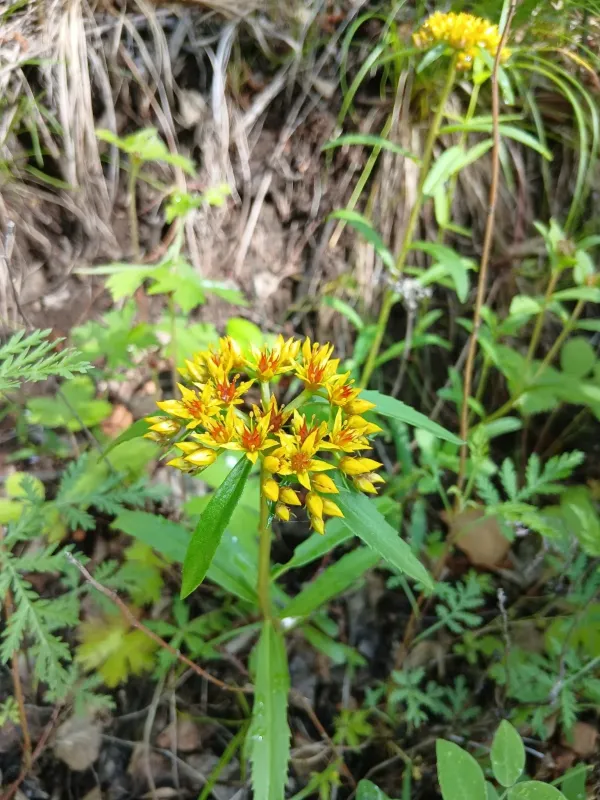
Description
Sowing dates
Aizoon stonecrop is a perennial herbaceous plant belonging to the Crassulaceae family. It is a resilient species that is widely valued in horticulture and agricultural landscapes for its robustness and ease of propagation.
Propagation is primarily achieved through vegetative methods, including the division of rhizomes or stem cuttings, which can be easily rooted in moist, sandy soil during the active growing season.
Seed propagation is also possible but requires a period of stratification to improve germination rates. Seeds should be sown in early spring or late autumn in well-draining seed beds.
When establishing a plantation, plants should be spaced according to their intended use. For ground cover applications, a density of 30 cm between plants is usually sufficient to ensure rapid site coverage.
The plant demonstrates excellent winter hardiness and can establish itself in various conditions, earning its reputation as a "living" or hardy plant capable of enduring harsh environmental stressors.
Growing requirements
This species thrives in light, sandy, or rocky soils that provide excellent drainage. It is highly intolerant of waterlogged conditions, which can lead to rapid root rot and systemic collapse.
The soil should have a neutral to slightly acidic pH level. High organic matter content is generally unnecessary and, in some cases, can promote undesirable succulent growth and fungal diseases.
Watering requirements are low; as a succulent, the plant stores water within its fleshy leaves. Irrigation should be restricted to the initial establishment period or severe, prolonged droughts.
Sunlight exposure is a critical factor for successful cultivation. The plant requires full sun to maintain its compact, healthy growth habit; in shady areas, it tends to become leggy and less productive.
Maintenance involves minimal intervention. Once established, the plant competes well with weeds, although early-season weeding is essential to prevent competitive species from hindering the plant's growth.
Yield
The economic utility of Aizoon stonecrop covers several sectors, including landscape design, rock gardening, and herbal pharmacology, where it is utilized for its bioactive compounds.
Harvesting for medicinal or scientific purposes is typically performed during the flowering stage, when the concentrations of beneficial plant secondary metabolites are at their peak.
Yield metrics for the plant are determined by planting density and the vigor of the specific cultivar used. Regular rejuvenation of the plants every four to five years helps maintain high levels of production.
The plant’s ability to recover quickly after harvest makes it a sustainable crop for semi-intensive cultivation systems, requiring very few inputs in terms of fertilization and pest control.
Overall, Aizoon stonecrop is considered a low-maintenance, high-value crop that excels in environments where soil quality might limit the success of more demanding agricultural varieties.
Main diseases and pests
Aizoon stonecrop is generally resistant to pests and diseases, but poor cultural practices can create conditions that favor pathogens, primarily those affecting the root and crown area.
Root rot remains the most significant threat, almost always associated with improper irrigation or compacted, water-retentive soils. Improving aeration and drainage is the primary defense strategy.
Pest issues are sporadic, with aphids being the most common visitor. If an infestation occurs, it can be managed with targeted insecticidal soaps or systemic pesticides if necessary.
Weevil larvae can occasionally damage the root system, which may be detected by the sudden wilting of the plant foliage. Early intervention with soil-applied controls can prevent significant losses.
Integrated management includes:
- maintaining proper plant spacing for airflow;
- removing dead or decaying plant material;
- avoiding excessive nitrogen-based fertilizers;
- ensuring the soil surface dries out between irrigation cycles.