
Kamchatka stonecrop
Phedimus kamtschaticus (Fisch.) 't Hart
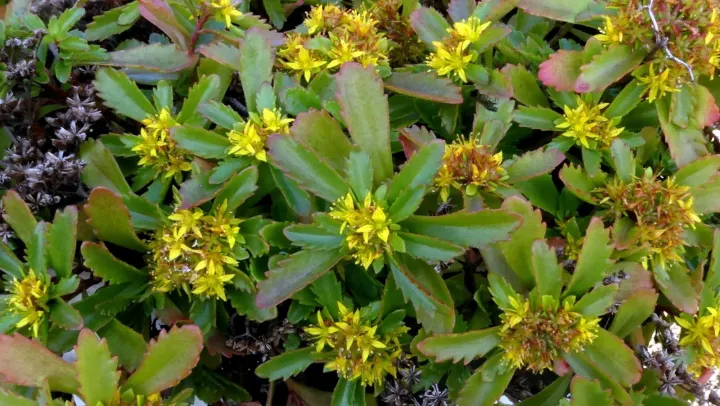
Description
Sowing dates
Kamchatka stonecrop (Phedimus kamtschaticus) is primarily propagated through division or stem cuttings during the spring and summer months. Propagation by seeds is also possible, although it requires patience and specific moisture control.
To sow seeds, prepare a shallow container with sandy, well-draining substrate. Sprinkle the tiny seeds on top of the soil and mist them; do not cover with soil, as they need light to germinate efficiently.
When planting in the garden, ensure a spacing of 20 to 30 centimeters between specimens. This allows the plants to establish and spread effectively, forming a dense, weed-suppressing mat within a short period.
Cuttings should be allowed to callus for a day or two before being inserted into moist soil. They typically root within a few weeks, provided they are kept in a bright location but shielded from direct, scorching sun during the initial phase.
Young plants require consistent but moderate moisture for the first season to build a robust root system. Once established, the plants become highly drought-tolerant and rarely require supplemental irrigation.
Growing requirements
Belonging to the Crassulaceae family, this hardy succulent is native to the rocky slopes of East Asia and the Russian Far East. It is biologically adapted to harsh climates, making it an excellent candidate for low-maintenance landscapes.
The plant thrives in full sun, which is essential for maintaining its compact, succulent foliage and promoting vibrant yellow flowers. In shaded conditions, the stems tend to stretch, resulting in a leggy and less attractive growth habit.
It prefers well-drained, nutrient-poor soil, such as rocky or sandy loam. Heavy soils prone to water retention should be amended with grit or perlite to avoid root rot, which is the primary enemy of this species.
Kamchatka stonecrop is exceptionally frost-hardy and requires no special winter protection in most temperate zones. It remains resilient under snow cover and quickly resumes active growth as soon as temperatures rise in the spring.
Agricultural management is minimal, requiring only the removal of encroaching weeds during the first year. Its ability to create a thick mat makes it a highly effective groundcover that minimizes long-term soil management needs.
Main diseases and pests
The most significant threat to Kamchatka stonecrop is root rot caused by poor soil drainage or excessive humidity. Ensuring that the planting site is elevated or properly drained is the most effective preventative measure.
While the plant is generally resistant to most pests, occasionally aphids may infest the soft tips during periods of high humidity. Insecticidal soaps or neem oil can be applied if a significant infestation occurs.
Slugs and snails may occasionally feed on young, succulent leaves. Utilizing barrier methods, such as crushed stone or copper tape around the perimeter of the planting area, is a safe and effective way to manage these pests.
Fungal diseases like powdery mildew may occur if air circulation is poor, particularly in dense plantings. Thinning out the plants periodically helps maintain airflow and prevents the buildup of excess moisture.
In general, this plant is remarkably disease-free. By providing adequate drainage and avoiding excessive fertilization, you can ensure a healthy, long-lasting display in any rock garden or perennial border.