
Caucasian stonecrop
Phedimus spurius (M. Bieb.) 't Hart
Description
Growing requirements
Caucasian stonecrop, scientifically known as Phedimus spurius, belongs to the Crassulaceae family. Native to the Caucasus region and parts of Western Asia, this hardy perennial is a classic example of a succulent adapted to challenging mountainous environments.
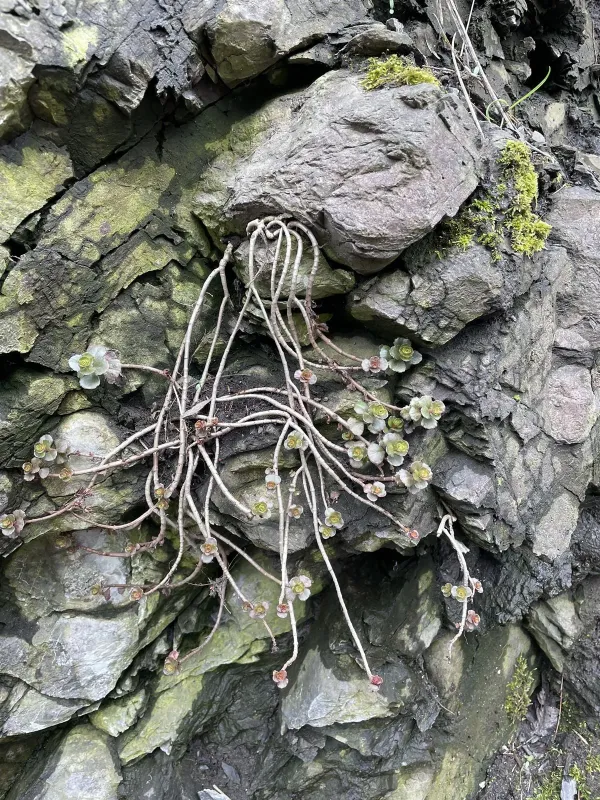
The botanical structure of this crop features creeping stems that readily take root, forming dense mats. Its fleshy, succulent leaves serve as specialized storage organs for moisture, enabling the plant to survive in arid conditions where water availability is inconsistent.
Optimal growth requires full sun exposure to maintain the characteristic coloration and dense habit of the foliage. While the plant can survive in partial shade, it often loses its aesthetic density and structural integrity under low light conditions.
In terms of soil preference, the crop thrives in well-drained, sandy, or gritty substrates. It performs exceptionally well in poor soils, as it does not require high nitrogen levels, though soil aeration remains a priority to prevent physiological disorders.
The agricultural and landscape use of Caucasian stonecrop is focused on erosion control, green roofing, and ground coverage. Its rapid growth rate and ability to outcompete weeds make it a valuable species for low-maintenance horticultural projects.
Main diseases and pests
The primary threat to the stability of Phedimus spurius stands is root rot, typically caused by waterlogged soil conditions. Ensuring proper drainage is the most effective cultural method to mitigate this risk across the plantation area.
Aphids represent a common pest threat, particularly during the early stages of the growing season when new, succulent growth is abundant. If unchecked, heavy infestations can weaken the plants and facilitate secondary viral or fungal infections.
Fungal leaf spot diseases may appear in environments with poor air circulation or extended humidity. To manage this, maintaining appropriate spacing between individual plants is essential for promoting airflow and minimizing moisture buildup on the foliage.
Slugs and snails can inflict damage, especially in cool and moist weather, by feeding on the leaves. Mechanical barriers such as crushed stone or gravel mulches are commonly employed to protect the plants without relying solely on chemical pesticides.
A proactive approach to disease management includes the removal of dead plant material at the end of the season. This sanitation practice reduces the overwintering capacity of common pathogens and pests within the cultivation site.