
Phaedranassa tunguraguae
Phaedranassa tunguraguae
Description
Growing requirements
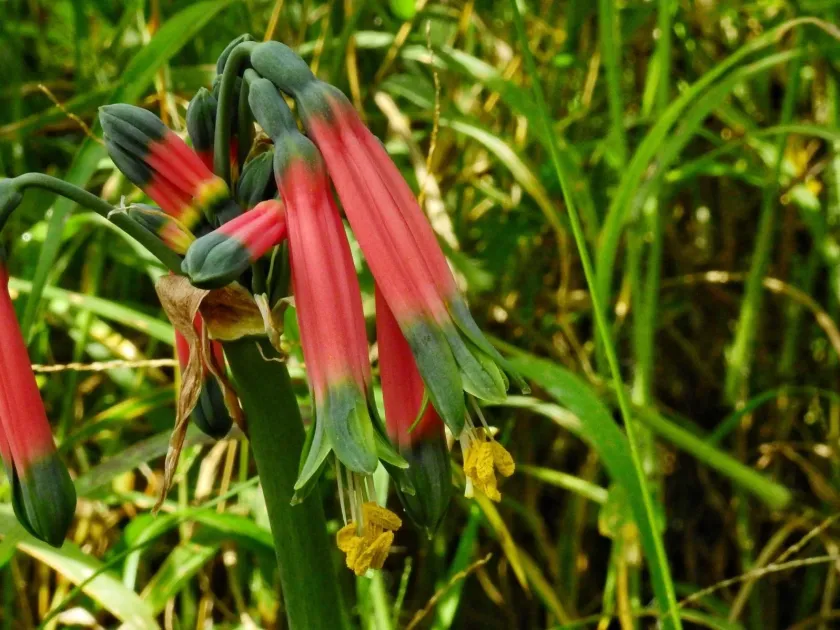
Phaedranassa tunguraguae is a perennial bulbous plant belonging to the Amaryllidaceae family. Originating from the high-altitude regions of Ecuador, specifically the Tungurahua province, this species is highly valued for its unique morphology and striking inflorescences.
The plant thrives in well-draining, nutrient-rich, and slightly acidic soils. To prevent root suffocation, the growing medium should be mixed with porous materials such as perlite or volcanic pumice, reflecting its native Andean habitat conditions.
Regarding light, this culture prefers bright, indirect sunlight throughout its growing cycle. Direct exposure to intense afternoon sun is discouraged, as it can cause chlorophyll degradation and scorch the foliage, hindering the plant's overall photosynthetic capacity.
Management of moisture levels is the most critical aspect of the plant's agronomy. During the active growth phase, watering should be consistent, ensuring the substrate remains moist but never waterlogged. Following the flowering period, the plant requires a distinct rest phase with significantly reduced watering.
Economically, Phaedranassa tunguraguae is primarily categorized as an ornamental specialty crop. It is highly sought after by botanical gardens and plant collectors, who utilize the species in controlled indoor environments to showcase its rare biological characteristics.
Main diseases and pests
The primary agricultural threats to this species include fungal pathogens like Pythium and Phytophthora, which attack the bulb tissue under conditions of poor drainage. Proper sanitation and strict soil moisture control are the best preventive strategies against such infections.
Pests such as aphids and spider mites can infest the foliage, particularly when the ambient humidity is too low. Proactive management involves maintaining optimal microclimatic conditions and using targeted horticultural treatments if pest populations exceed economic injury levels.