
Phaedranassa schizantha
Phaedranassa schizantha
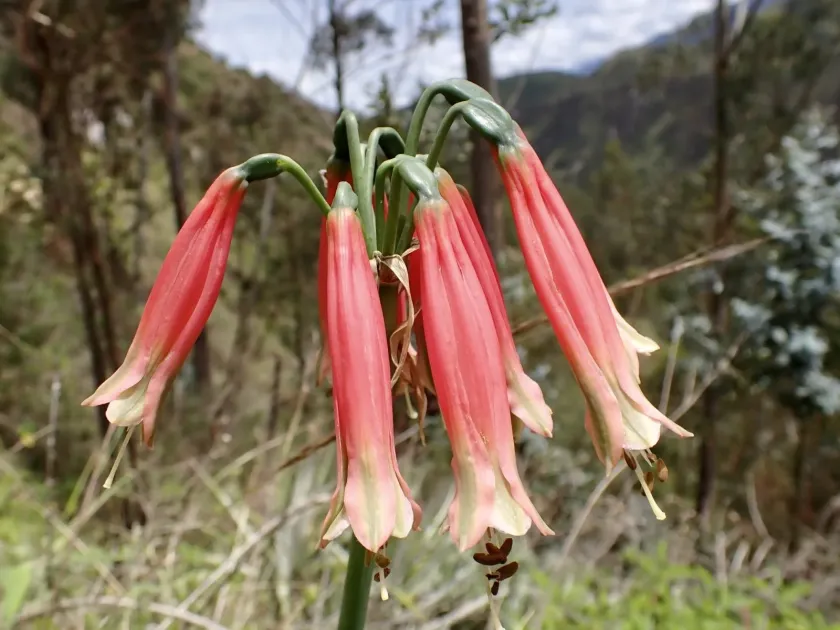
Description
Growing requirements
Phaedranassa schizantha is a captivating bulbous species belonging to the Amaryllidaceae family. Native to the Andean highlands of Ecuador, it is prized by plant enthusiasts for its unique, fringed floral structures.
The plant requires a well-draining, nutrient-rich soil mix, typically consisting of potting compost mixed with perlite or coarse sand. Drainage is paramount, as the bulbs are highly susceptible to rot if left in waterlogged conditions.
Climatic requirements involve bright, filtered light and moderate temperatures between 18°C and 22°C. The species thrives in environments that replicate its natural habitat, including good airflow and humidity during the growing phase.
Botanically, it features a large, tunicated bulb and long, lanceolate leaves that emerge before or alongside the inflorescence. The flowers are typically tubular, with unique, split segments that give the plant its specific epithet.
Economically and horticulturally, this plant is used exclusively in ornamental settings, such as specialty conservatories, botanic gardens, and private collections focusing on South American flora.
Main diseases and pests
The primary threats to Phaedranassa schizantha include fungal infections such as basal rot and bulb rot, which are often exacerbated by overwatering and poor sanitation.
Pest pressures primarily include sap-sucking insects such as mealybugs and spider mites, which can proliferate rapidly in indoor or greenhouse environments with low humidity.
To maintain plant health, it is essential to monitor the foliage closely for signs of yellowing or webbing, which often indicate the presence of common indoor pests.
Management of the plant should focus on prevention through controlled irrigation and the use of sterile growing media to minimize the introduction of pathogens.
Chemical control should be used as a last resort, opting for systemic treatments that are gentle on bulbous root systems, ensuring the bulbs remain healthy during the dormant season.