
Phaedranassa carmiolii
Phaedranassa carmiolii
Description
Growing requirements
Phaedranassa carmiolii is a fascinating bulbous plant belonging to the Amaryllidaceae family. Originating from the mountain forests of Costa Rica and Panama, this plant species requires conditions that mimic its native high-altitude environment to thrive in cultivation.
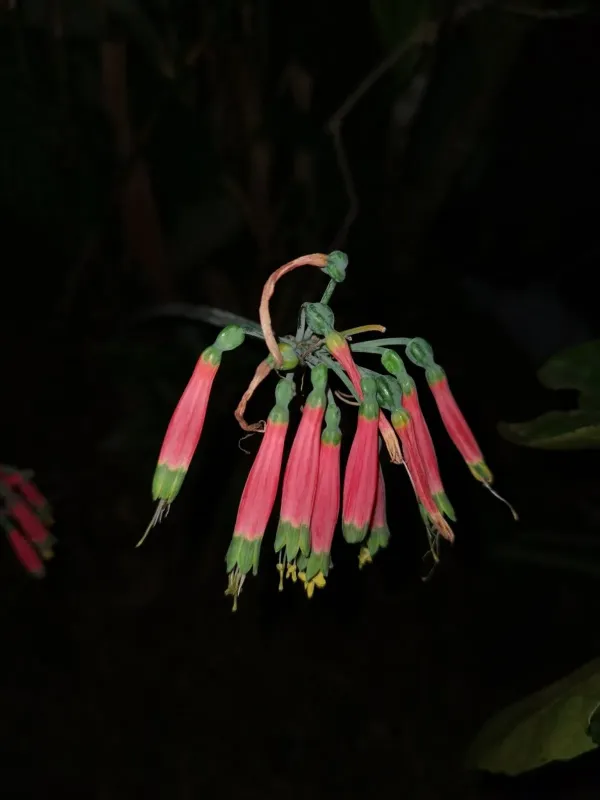
The botanical structure of the plant features a robust bulb that supports a cluster of elongated, dark green leaves. During the blooming phase, it produces a tall, sturdy flower spike adorned with tubular, pendulous flowers that possess a unique color palette typical of its genus.
In terms of soil and growing media, this plant demands an airy, fast-draining substrate. A mix of organic leaf mold, perlite, and pine bark is ideal to maintain moisture while preventing waterlogging, which is detrimental to the bulb's health.
Environmental requirements include a consistent temperature range, avoiding frost entirely. During its growing season, the plant appreciates a humid atmosphere and bright, indirect light, mimicking the dappled sunlight conditions found under a forest canopy.
Maintenance involves a distinct dry rest period after the foliage dies back. During this time, water should be almost completely withheld, and the temperature should be kept cooler to facilitate the natural physiological cycle required for flowering in the following year.
Main diseases and pests
The most common threat to Phaedranassa carmiolii in an artificial cultivation setting is fungal infection resulting from improper irrigation. Overwatering typically leads to basal rot, which can quickly destroy the bulb and render the plant unsalvageable.
Pests such as mealybugs and spider mites are frequent invaders, especially in dry greenhouse conditions. These pests target the underside of the leaves and the base of the flower stalk, sapping nutrients and causing visible stress to the specimen.
Integrated pest management, including regular inspection and the use of horticultural oils or systemic insecticides, is essential to keep the plant in a healthy condition and prevent secondary bacterial infections.
Maintaining cleanliness in the growing environment, specifically removing dead organic matter from the surface of the soil, is a critical practice to reduce the population of potential soil-borne pathogens.
Providing adequate spacing between individual plants is also vital, as it ensures proper airflow and helps prevent the buildup of stagnant humidity, which is a primary catalyst for leaf spot and powdery mildew diseases.