
Phaedranassa dubia
Phaedranassa dubia
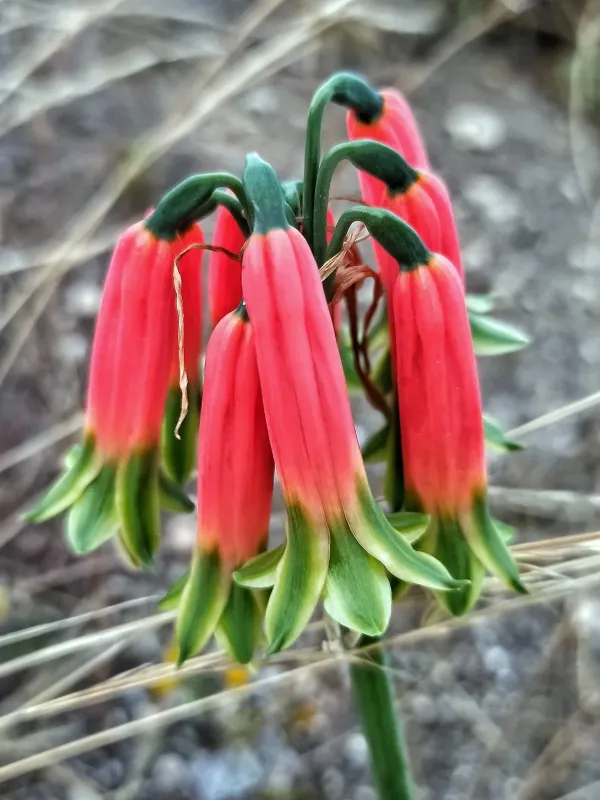
Description
Growing requirements
Phaedranassa dubia is an attractive bulbous perennial belonging to the Amaryllidaceae family. Native to the mountainous regions of Ecuador, this species has adapted to specific high-altitude tropical environments, requiring particular attention when grown in cultivation.
The plant thrives in well-draining, fertile substrates with a neutral or slightly acidic pH balance. Good soil aeration is essential, as waterlogging the bulb area is the most frequent cause of root rot and total plant failure in greenhouse conditions.
For optimal growth, Phaedranassa dubia requires bright but indirect sunlight. Direct midday sun can scorch the foliage, making it necessary to provide shading in greenhouses or to place the plant near east or west-facing windows where the light is gentler.
The temperature should remain within a moderate range of 18–24 degrees Celsius during the active growing season. The plant is sensitive to cold drafts and significant temperature fluctuations, which can stress the bulb and delay the appearance of flower stalks.
Managing the dormancy period is a crucial aspect of its agronomy. As the foliage begins to die back, watering should be significantly reduced and the bulb kept in a cooler environment, allowing it to recover and prepare its energy reserves for the upcoming flowering cycle.
Main diseases and pests
Fungal diseases related to improper moisture management are the primary threats to the health of Phaedranassa dubia. Root rot is particularly dangerous, often starting at the base of the bulb and spreading rapidly if the soil remains saturated for too long.
Poor ventilation can lead to the development of mold or powdery mildew on the leaves. Maintaining good air circulation is vital to ensure that moisture on the leaf surfaces evaporates quickly, thereby preventing the proliferation of these harmful pathogens.
Common indoor pests, including scale insects and thrips, represent a persistent challenge for this species. These sap-sucking insects can severely weaken the plant by drawing nutrients directly from the leaves, causing disfigurement and decreased vitality.
Spider mites are another potential threat, especially in environments with very dry air. These pests create fine webbing and cause the leaves to lose their healthy green color, eventually leading to a stunted growth pattern if left unchecked by the grower.
Effective pest control involves a combination of manual inspection, maintaining appropriate humidity, and, when necessary, the application of targeted insecticides. Proactive monitoring is the most reliable way to maintain the health and vigor of this delicate exotic plant.