
Peperomia vestita
Peperomia vestita C. DC.
Description
Growing requirements
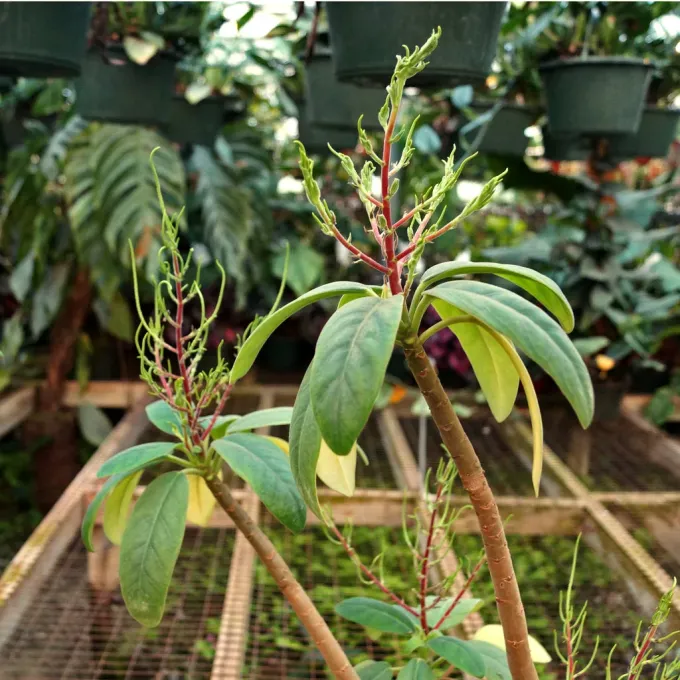
Peperomia vestita is an ornamental plant species belonging to the Piperaceae family. Originating from the tropical forests of Central and South America, it typically grows in humid environments as an epiphyte or lithophyte, often found in sheltered spots with dappled light.
The plant is botanically recognized by its distinctively pubescent (hairy) leaves and fleshy stems, which act as a water storage reservoir. This morphological trait allows the plant to thrive in environments where moisture levels can fluctuate, providing a level of resilience.
For optimal cultivation, the plant requires a stable temperature range between 20°C and 25°C. It is highly sensitive to cold drafts and sudden drops in temperature, which can easily damage its succulent foliage and compromise the plant's structural integrity.
The soil substrate must be porous, well-draining, and slightly acidic. A mix of peat moss, coarse sand, perlite, and a small amount of activated charcoal is generally recommended to ensure adequate aeration and prevent the buildup of anaerobic conditions at the roots.
Bright, indirect light is essential for healthy growth. Intense direct sunlight should be avoided at all costs, as it will likely scorch the velvety leaves and lead to irreversible damage to the plant's decorative appearance.
Main diseases and pests
The primary pests affecting Peperomia vestita are mealybugs and spider mites, both of which thrive in dry indoor air. These insects tend to cluster in leaf axils, sucking the sap and causing stunted, discolored growth that ruins the plant's aesthetics.
Root rot is the most common pathology, usually caused by overwatering or poor drainage. Excess moisture in the root zone leads to the decay of the root system, which manifests through yellowing leaves and a softening of the stem base.
Preventative care involves regular monitoring of the plant's foliage and maintaining proper hygiene in the growing space. Removing fallen leaves or dead plant matter helps prevent the development of mold or fungal spores that could attack the plant.
When chemical treatment becomes necessary, it is crucial to use systemic insecticides that are safe for delicate indoor varieties. Always ensure that the treated plant is placed in a well-ventilated area to allow the chemicals to act without lingering too long.
Proper aeration is vital for overall health; keeping the plant in a location with good air circulation reduces the humidity trapped between leaves, which is a common trigger for various fungal and bacterial infections in tropical plants.