
Peperomia verticillata
Peperomia verticillata (L.) A. Dietr.
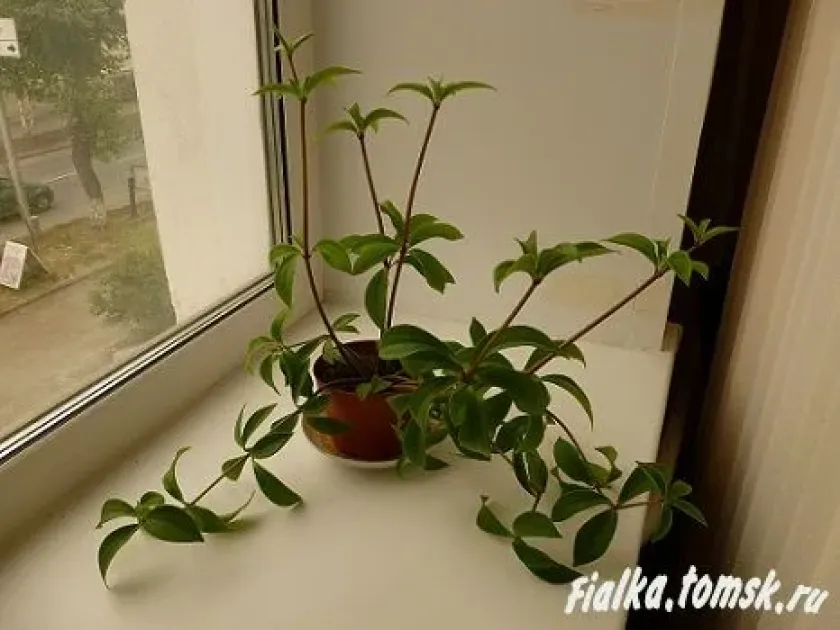
Description
Growing requirements
Peperomia verticillata is a perennial evergreen plant species belonging to the Piperaceae family. Originating from the tropical landscapes of Central and South America, it naturally thrives in the understory of dense forests, often growing as an epiphyte on tree trunks or in organic-rich soil.
The botanical structure of this species is quite distinct: it features whorled, succulent-like leaves that are densely arranged along the stems. The foliage is typically fuzzy or pubescent, with deep green topsides and often contrasting reddish-purple undersides, adding to its ornamental appeal.
Successful cultivation requires a location with bright, indirect sunlight. Direct sun exposure is detrimental and can lead to leaf scorch, while low light conditions will cause the plant to become leggy and lose its characteristic compact, whorled growth pattern.
The ideal growing medium must be highly porous and well-draining to mimic the plant's natural environment. A mix containing peat moss, coarse sand or perlite, and high-quality potting soil provides the necessary aeration to prevent root rot in these sensitive species.
Maintenance involves precise watering practices; the soil should be allowed to dry out significantly between watering sessions. Overwatering is the most common mistake made by growers, as this plant is susceptible to various fungal pathogens when kept in a consistently soggy state.
Main diseases and pests
The primary threats to Peperomia verticillata involve pathogen attacks, specifically root and stem rot caused by waterlogged soil conditions. Ensuring the drainage holes are unobstructed and avoiding excessive humidity around the root crown are essential preventative steps.
Pest management is focused on common greenhouse pests such as mealybugs and spider mites. These pests thrive in dry environments and can quickly infest the undersides of the leaves. Regular inspection and the application of appropriate horticultural oils or insecticidal soap are recommended at the first sign of infestation.