
Peperomia strawii
Peperomia strawii Hutch. ex Pino & Klopf.
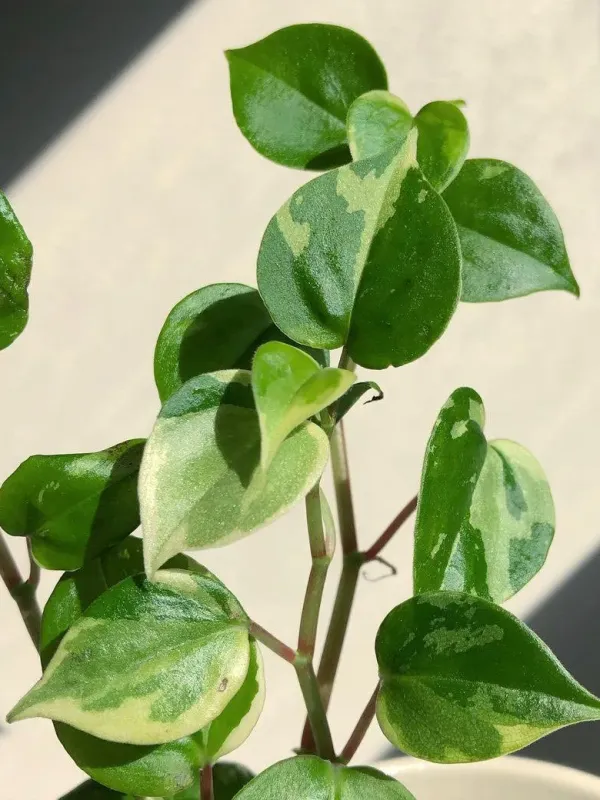
Description
Growing requirements
Peperomia strawii is a succulent perennial plant belonging to the Piperaceae family. Originating from the mountainous regions of Peru, this species has evolved to thrive in rocky environments, showcasing a robust nature despite its delicate appearance.
As a succulent-type plant, Peperomia strawii stores moisture within its thick, fleshy leaves. This adaptation allows the species to survive in its native habitat where water availability can be sporadic, making it a relatively low-maintenance option for indoor collectors.
The ideal environment for this plant includes bright, indirect sunlight. Direct exposure to the intense midday sun should be avoided, as it can easily scorch the leaves and permanently damage the plant's aesthetic structure.
Soil composition must prioritize drainage and aeration. A well-draining potting mix, typically composed of peat moss, perlite, and coarse sand, ensures that roots remain oxygenated and prevents the common issue of water accumulation at the base.
Temperature management is crucial, with a preferred range of 20°C to 25°C during the growing season. During the winter months, the plant appreciates a cooler period of dormancy, provided that the temperature does not drop below 15°C.
Main diseases and pests
Root rot is the most significant threat to the health of Peperomia strawii. This condition is primarily caused by overwatering or poor drainage, which leads to the suffocation and decay of the root system.
Mealybugs are common pests that tend to cluster in the leaf axils. These small, cotton-like insects extract sap from the plant, causing stunted growth and yellowing of the leaves if not treated promptly with appropriate insecticides.
Spider mites can become a problem in environments with low humidity. These pests thrive in dry conditions and can be identified by the fine webbing they create, usually on the undersides of the leaves or between stems.
Scale insects present a challenge by attaching themselves firmly to the stems, making them difficult to detect. Regular inspection of the plant's structure is necessary to catch infestations early before they spread to other parts of the plant.
Fungal leaf spot diseases can occur if the foliage remains wet for extended periods, especially in rooms with poor air circulation. Proper maintenance involves keeping the leaves dry and ensuring adequate ventilation to prevent such issues.