
Peperomia
Peperomia rubella x Peperomia verticillata
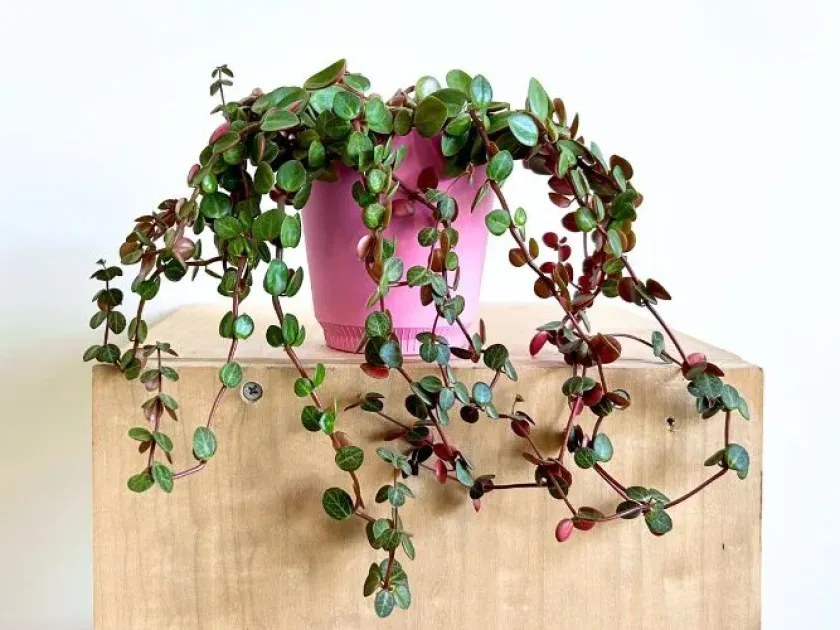
Description
Growing requirements
Peperomia is a diverse genus of perennial evergreen plants belonging to the Piperaceae family. Originating from the tropical regions of Central and South America, these plants are primarily found in rainforests, growing as epiphytes on trees or within the rich forest floor humus.
Successful cultivation requires a stable climate with temperatures ranging from +20°C to +26°C. Peperomias thrive in bright, indirect light; direct sunlight must be avoided to prevent leaf scorch and desiccation of the succulent tissues.
The substrate must be well-draining to maintain healthy root development. A professional-grade mixture typically includes peat moss, perlite, and bark to ensure an airy structure, which prevents the compaction that often leads to root suffocation.
Irrigation practices are central to the crop's health. Growers should follow a dry-down cycle, allowing the soil to dry partially before the next irrigation event. Overwatering is the most common cause of plant failure, leading to rapid decay of the stems and roots.
In commercial and amateur horticulture, Peperomias are highly valued as indoor decorative foliage. Their ability to tolerate lower light levels compared to other tropical species makes them an essential choice for interior landscaping, offices, and residential plant collections.
Main diseases and pests
The main agronomic challenges include pathogens such as Phytophthora or Pythium, which cause root and stem rot when drainage is insufficient. Monitoring soil moisture and improving ventilation are the best preventive measures.
Common pests include spider mites, mealybugs, and fungus gnats. These are managed through Integrated Pest Management (IPM) practices, utilizing targeted biological controls or soaps and horticultural oils to maintain plant health without chemical residues.