
Peperomia rubella
Peperomia rubella (Haw.) Hook.
Description
Growing requirements
Peperomia rubella (Peperomia rubella) is a member of the Piperaceae family, recognized for its ornamental value as a compact perennial plant. Originating from the tropical forests of Jamaica, it naturally exists as an epiphyte or lithophyte, thriving in humid, shaded environments where it clings to tree trunks or rocks.
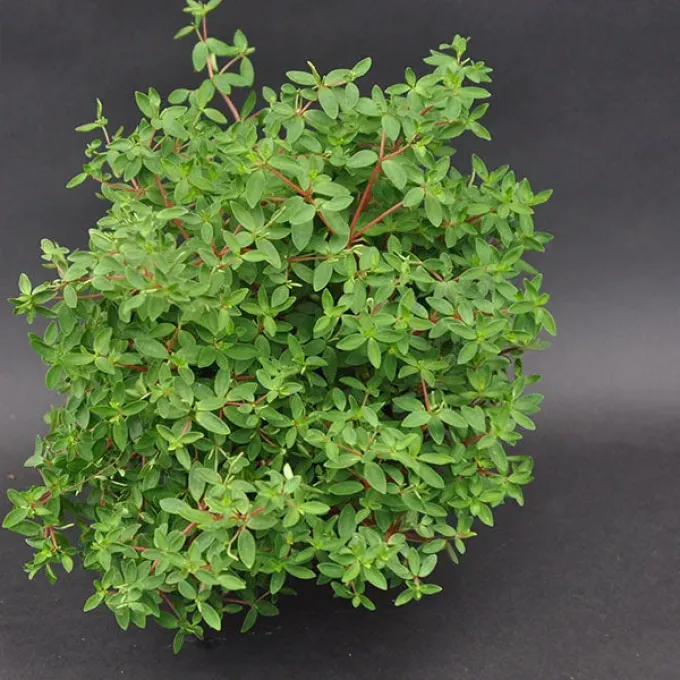
The botanical structure of the plant features a densely branched habit with small, opposite, ovate leaves. The upper surface of the foliage is a deep green color, while the undersides and the stems exhibit a distinct reddish-purple pigmentation, providing a high aesthetic appeal for indoor cultivation.
Successful cultivation requires bright, indirect light, as direct sunlight can easily scorch the foliage. The ideal ambient temperature for this species ranges from 20°C to 25°C. It is highly sensitive to cold drafts and significant temperature fluctuations, which can negatively impact its growth rate.
Soil requirements for this crop focus on high porosity and excellent drainage. A substrate consisting of peat, leaf mold, and coarse sand or perlite is recommended to ensure adequate oxygen circulation around the root zone. A drainage layer at the bottom of the container is strictly necessary.
Irrigation should be managed carefully, allowing the soil to dry out partially between waterings. In winter, the plant enters a period of slower growth, requiring minimal moisture. Excessive watering is the most common cause of failure, leading to rapid decay of the delicate root system.
Main diseases and pests
Typical pests affecting this plant include mealybugs and spider mites, which can be managed with biological or systemic insecticides. Fungal issues, particularly root rot, often occur due to over-irrigation or high humidity combined with poor air circulation, necessitating strict control of watering frequency.