
Peperomia rotundifolia
Peperomia rotundifolia (L.) Kunth
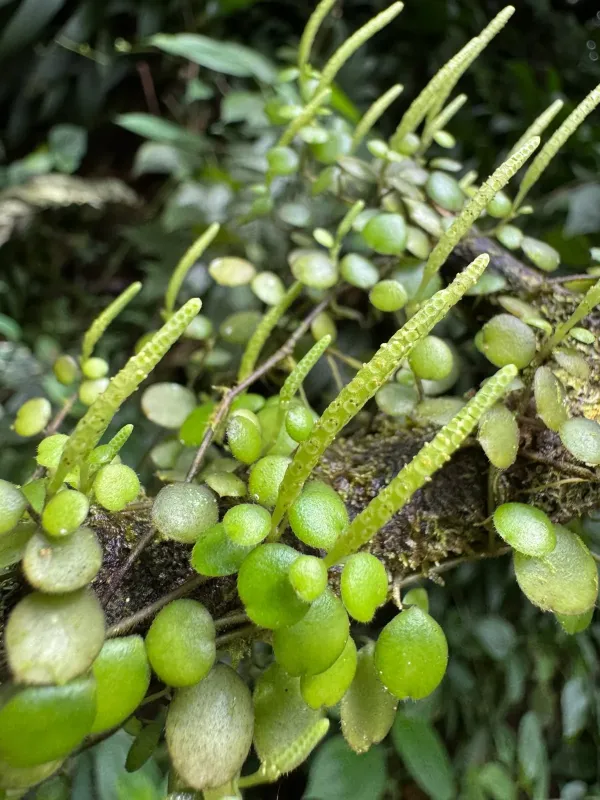
Description
Growing requirements
Peperomia rotundifolia is a species of small perennial herbaceous plants belonging to the family Piperaceae. Native to the tropical regions of Central and South America, it typically grows in humid environments as an epiphyte on trees or mossy rocks.
This crop is characterized by its thin, creeping stems and small, succulent, round leaves that provide a distinct aesthetic appeal. Its growth habit makes it an ideal choice for hanging baskets or terrarium cultivation where it can trail naturally.
The plant thrives best in bright, indirect light. Direct sunlight is detrimental to its foliage, as it can cause scorching, while extremely low light conditions lead to leggy growth and smaller, less vibrant leaves.
When selecting a soil medium, it is crucial to use a well-draining, aerated mix. A blend consisting of high-quality peat moss, perlite, and pine bark mimics the natural forest floor environment, ensuring the roots remain healthy and free from rot.
Temperature management is straightforward, as the plant prefers stable conditions between 65°F and 80°F (18–26°C). It is sensitive to cold drafts and should be kept away from air conditioning vents or doorways during winter months.
Main diseases and pests
Root rot is the most significant threat to Peperomia rotundifolia, usually resulting from improper irrigation practices or poor drainage. Excess water deprives the root system of essential oxygen, leading to rapid decay.
Spider mites are common pests that thrive in dry indoor air. They feed on the sap of the succulent leaves, causing stippling and eventual leaf drop if the infestation is not managed promptly through increased humidity or acaricides.
Mealybugs can also infest the crevices between the stems and leaves. Regular monitoring and the application of horticultural oils or gentle washing with mild soap solutions are effective methods for keeping the plant pest-free.
Fungal leaf spot diseases can occur if the foliage is kept excessively wet and the air circulation around the plant is insufficient. Keeping the leaves dry and ensuring good ventilation is a vital prophylactic measure.
For optimal plant vitality, it is advised to allow the soil to dry partially between waterings. This practice forces the roots to seek moisture deeper in the pot and prevents the persistent dampness that invites pathogens.